

Summary
- The gut is far more than a digestive organ: it significantly influences nutrient absorption, the immune system, metabolism, and the overall well-being of the dog.
- The gut microbiome supports digestion, protects the intestinal lining, and helps maintain the body's internal balance. If this balance is disturbed, it can affect many areas of health.
- Gut health and the immune system are closely linked, as a large part of the body's defense system resides in the gut and is influenced there by the microbiome.
- Via the so-called gut-brain axis, the gut is also connected to the dog's behavior, stress processing, and emotional balance.
- Long-term support of gut health can help to sustainably promote the dog's internal balance, vitality, and quality of life – especially during sensitive life stages or periods of increased stress.
When we think about the health of our dogs, we usually first notice visible things: a shiny coat, good condition, a cheerful demeanor. However, many crucial processes for your dog's well-being take place in secret – above all, in the gut. The gut is far more than just an organ for digestion. It is a central control center for health, resilience, and internal balance.
In modern veterinary medicine, the gut has long been considered one of the most important foundations for a healthy dog's life. This is where it is decided how well nutrients are absorbed, how stable the immune system works, and how balanced a dog can react to the challenges of everyday life.
The Gut as the Heart of Dog Health
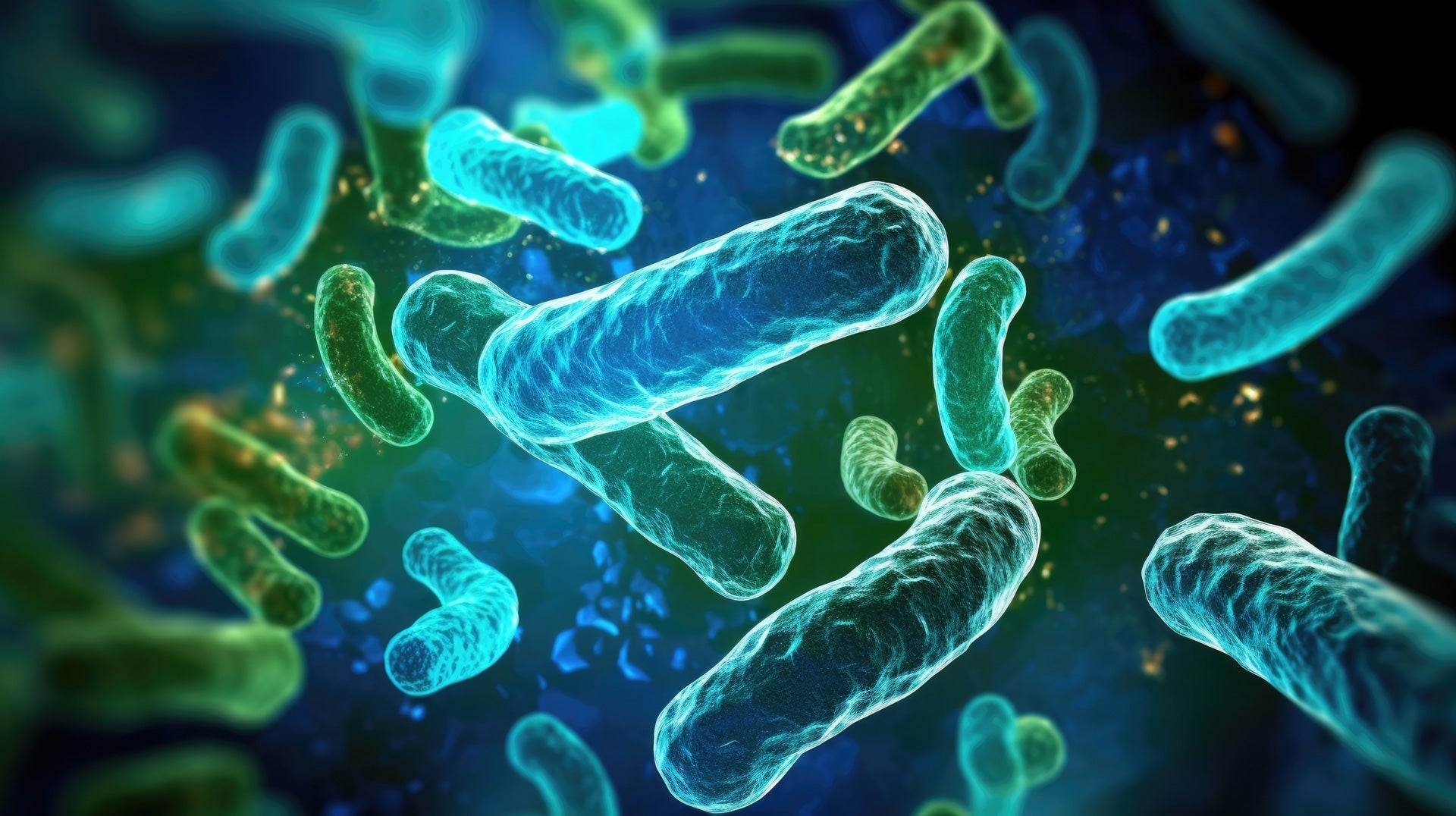
Your dog's gastrointestinal tract fulfills a variety of vital tasks. It not only ensures that food is utilized but also constantly interacts with the immune system, the nervous system, and metabolism. Particularly crucial here is the so-called gut microbiome – the totality of all microorganisms living in the gut.
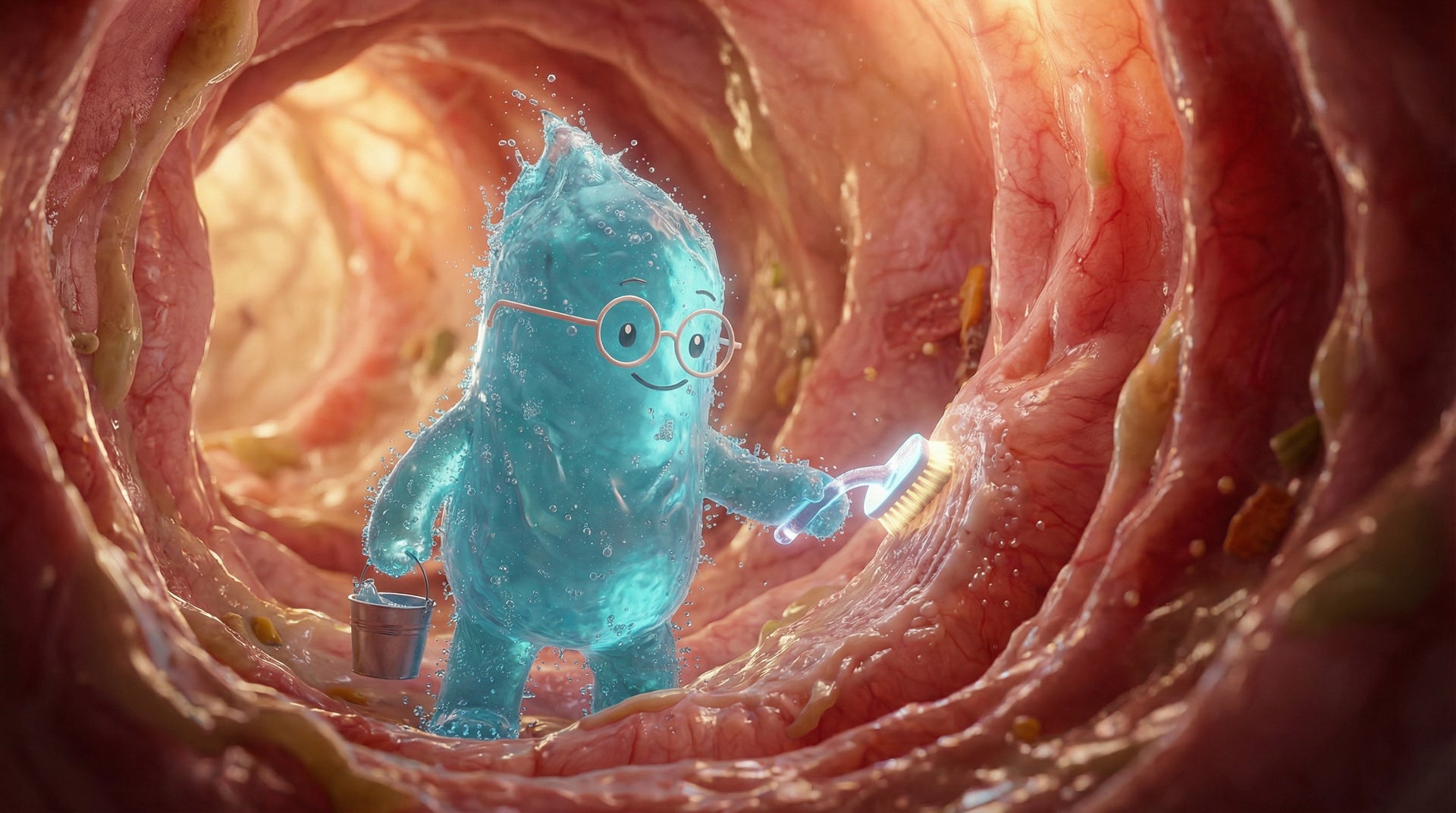
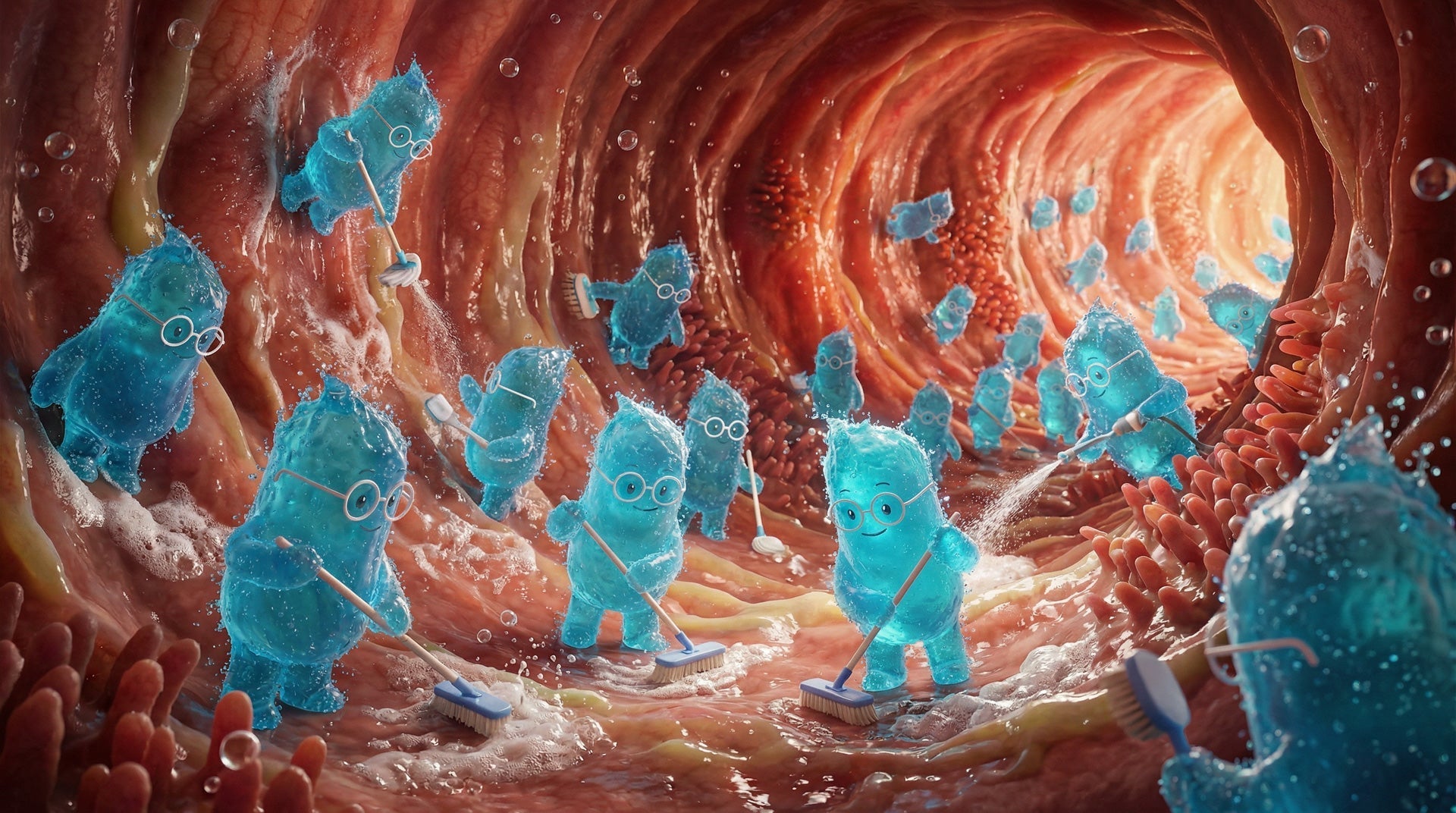
These microorganisms are not random co-inhabitants. They support digestion, protect the intestinal lining, and help keep unwanted germs in check. As long as this delicate balance is intact, the gut works quietly and reliably in the background. However, if it gets out of balance, it can affect many areas of health – often insidiously and not always clearly identifiable.
Gut Health and Immune System – A Close Partnership
A large part of the immune system is located in the gut. This makes it a central protective organ. The intestinal lining acts as a barrier between the body's interior and external influences. At the same time, the gut microbiome trains the immune system to react appropriately – neither overly sensitive nor too sluggish.
If the gut flora is stable, the body can better classify and ward off stimuli. If it is disturbed, the immune system becomes more vulnerable. Dogs may then react more frequently to environmental stimuli, show recurring digestive problems, or appear less resilient overall. In many cases, the cause lies not in the individual symptom but in an overarching imbalance in the gut.
When the Gut is out of Balance
A disturbed gut health does not always manifest immediately or clearly. Some dogs react with changes in stool, others with bloating or discomfort. Still others develop skin or coat problems, appear more stressed, or lose vitality. These signals are often considered in isolation, although they may have a common origin.
The gut is particularly sensitive to external influences. Changes in diet, stress, medication – especially antibiotics – or age-related changes can affect the microbiome. The more frequently such stresses occur or the longer they persist, the greater the likelihood that the internal balance will be disturbed.
The Gut-Brain Axis: How the Gut Influences Behavior
An exciting aspect of gut health is the connection between the gut and the brain. Both systems are in constant exchange via nerve pathways, hormones, and neurotransmitters. Certain gut bacteria are involved in the formation of substances that influence stress processing, mood, and behavior.
If the gut is out of balance, this can also manifest emotionally. Dogs may then react more sensitively to stimuli, become overwhelmed more quickly, or find it harder to calm down. Conversely, a stable gut can contribute to dogs reacting more balanced and resilient to changes in everyday life.
Why Long-Term Support Makes Sense
Gut health is not a state that is achieved once and then permanently secured. It is a dynamic interplay of nutrition, living conditions, and internal processes. Precisely for this reason, it makes sense not to pay attention to the gut only when problems arise, but to understand it as a permanent foundation for well-being.
Targeted support of the gut flora does not aim for quick effects, but for sustainability. It creates conditions under which beneficial microorganisms can reliably perform their work. Especially in sensitive phases – such as during diet changes, stressful situations, or in old age – conscious support of the gut can help stabilize the internal balance.
Gut Health as the Foundation for Quality of Life
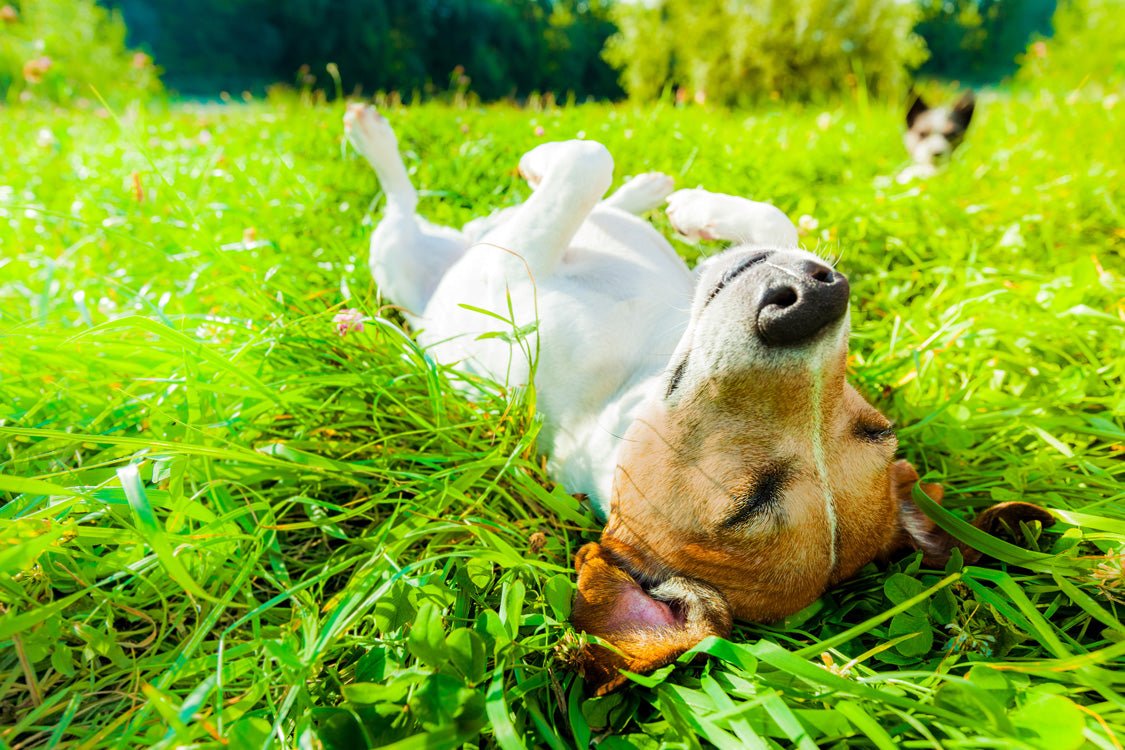
A healthy gut works quietly but profoundly. It supports digestion, strengthens the immune system, influences skin and coat, and contributes to inner balance. Many aspects we wish for our dogs – vitality, resilience, and joy of life – originate here.
Those who take their dog's gut health seriously act proactively. It is not about suppressing symptoms, but about strengthening the foundation. Because a stable gut means not only fewer problems, but above all more quality of life – day after day.
Conclusion
Gut health is a central key to your dog's well-being. It connects digestion, the immune system, and behavior into a finely tuned whole. A conscious look at the gut helps to better understand correlations and make informed decisions – for a healthy, balanced, and happy dog's life.




Split: