

Summary
This report summarizes the current state of scientific knowledge regarding the role and application of Bacillus subtilis in modern veterinary medicine. It is based on an evaluation of numerous studies conducted between 2015 and 2025. The results clearly demonstrate that Bacillus subtilis has established itself as one of the leading spore-based probiotics and plays an important role in animal health and performance today.
Unlike classic, non-spore-forming probiotics such as lactobacilli or bifidobacteria, Bacillus subtilis is able to form highly resistant endospores . This special property makes it exceptionally resilient. It survives both the high temperatures and mechanical stresses during industrial feed production, such as pelleting, as well as the acidic environment of the gastrointestinal tract, virtually unharmed. This ensures that an effective quantity of viable probiotic cells actually reaches the intestine. At the same time, the need for overdosing or complex cold chains is eliminated, which also makes Bacillus subtilis particularly attractive from an economic perspective [4, 73, 111, 112; 73, 108].
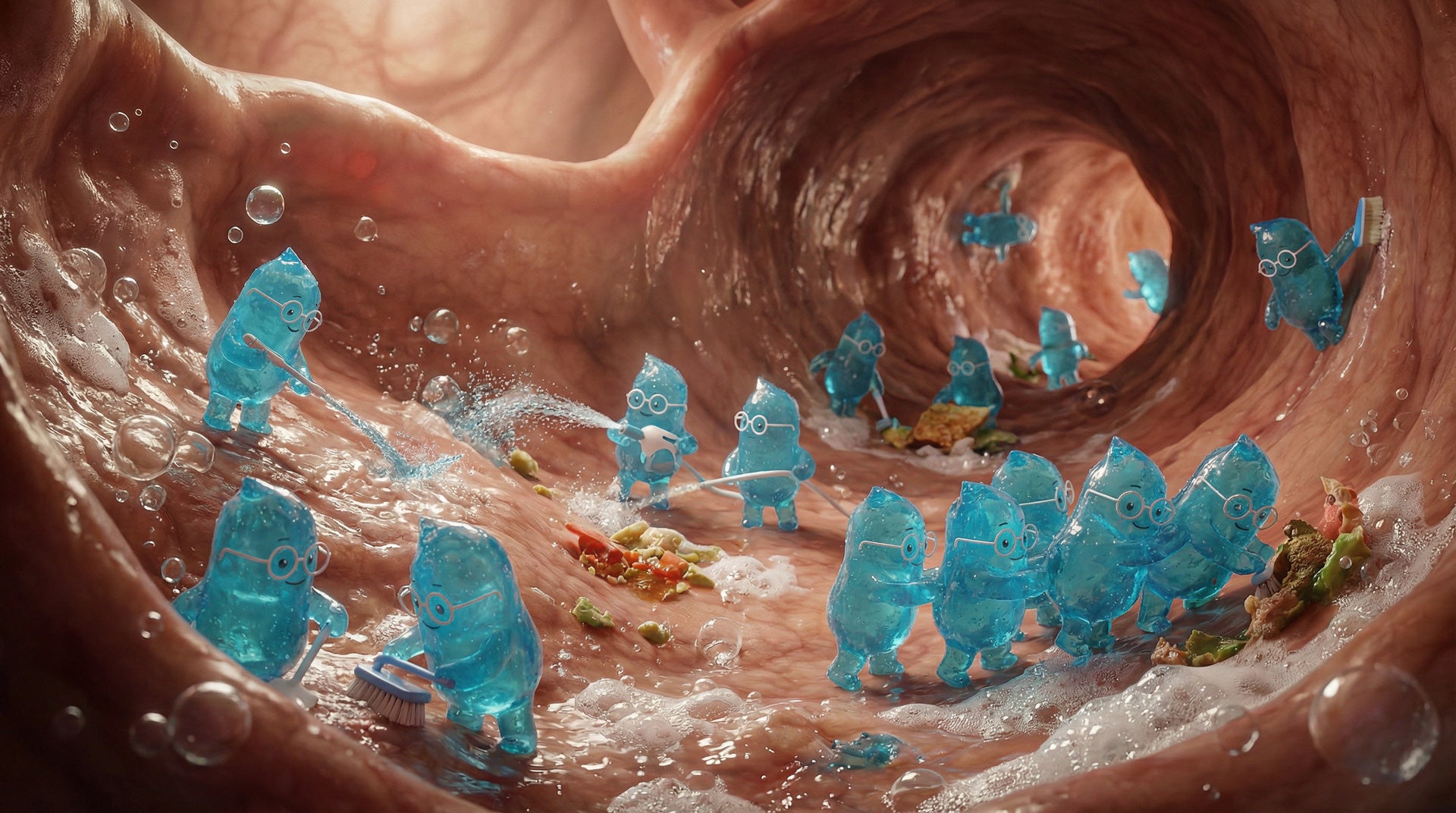
The positive effects of Bacillus subtilis in veterinary medicine are based on several complementary mechanisms of action. A key area is the support of gut health and the targeted manipulation of the gut microbiome . In the gut, Bacillus subtilis acts like a small biological helper by releasing a variety of digestive enzymes—including amylases, proteases, and xylanases. These enzymes facilitate the breakdown of complex nutrients, particularly in plant-based feed rations. In practice, this leads to better feed conversion and higher daily weight gains, as observed especially in poultry and pigs [8, 57, 99].
Furthermore, Bacillus subtilis contributes to strengthening the intestinal barrier . It promotes the formation of so-called tight junction proteins such as occludin and ZO-1, which seal the intestinal mucosa. This reduces the risk of leaky gut syndrome and protects the overall health of the organism [37, 43, 46].
Of particular importance is the role of Bacillus subtilis as an alternative to antibiotic growth promoters (AGPs) . Given the global need to reduce antibiotic use, Bacillus subtilis offers a sustainable and effective solution. It helps to naturally control pathogenic intestinal bacteria such as Clostridium perfringens , Salmonella , and E. coli . This occurs through the production of antimicrobial substances, such as bacteriocins like subtilin, through competition for nutrients and attachment sites, and through the promotion of a healthy, stable intestinal environment that is unfavorable to pathogens [5, 8, 80, 90, 104].
Numerous studies show that Bacillus subtilis supplementation can significantly reduce the incidence of diseases such as necrotic enteritis in poultry or post- weaning diarrhea in piglets . The resulting performance and health effects are often comparable to or even superior to those achieved with antibiotic growth promoters [21, 36, 39, 60]. In addition, Bacillus subtilis has a regulatory effect on the immune system, supports the development of innate immunity in young animals, and increases resistance to stressors such as heat stress [32, 34, 56, 102].
Due to these diverse effects, Bacillus subtilis can be used in numerous areas – from poultry, pigs and cattle to pets and aquaculture. It has thus established itself as a key component for modern, health-oriented and economically sustainable animal production.
Bacillus subtilis is one of the most thoroughly researched spore-forming microorganisms in modern animal nutrition and is increasingly gaining importance as a functional additive for nutritional support in dogs, horses, and cats.
A particular advantage of Bacillus subtilis lies in its ability to form resistant endospores. These protect the microorganism during feed production, storage, and passage through the stomach. As a result, Bacillus subtilis reaches the intestine in a stable form and can exert its nutritional properties there.
Scientific interest particularly focuses on supporting digestion, stabilizing the gut microbiome, and promoting a balanced gut environment. Bacillus subtilis can produce various enzymes that can contribute to a better breakdown of nutrients. These include amylases, proteases, and other enzymatic components that support natural digestive function.
Furthermore, scientific studies indicate that Bacillus subtilis can support the stability of the intestinal barrier. An intact intestinal barrier is considered an important basis for a balanced gut environment, as well as for general well-being and normal immune function.
Another focus of current research is on the influence of Bacillus subtilis on the gut microbiome. Studies suggest that Bacillus subtilis can contribute to promoting a balanced microbial equilibrium. This can support a gut environment that is favorable for beneficial microorganisms.
Bacillus subtilis is being intensively researched, especially in dogs. Various studies show indications of support for digestion, stool quality, and overall gut balance. Additionally, a possible connection between gut health, skin condition, and general well-being is being discussed.
In horses and cats, the primary focus is also on supporting digestion and stabilizing the delicate gut environment. The goal is to promote a balanced gut flora and stable digestive function.
In summary, current scientific findings show that Bacillus subtilis possesses versatile properties that can contribute to supporting gut health and normal digestive function. The focus is particularly on stabilizing the gut environment, supporting the microbiome, and promoting general well-being through nutrition.
Introduction
Animal nutrition and veterinary medicine are currently undergoing fundamental changes. These are primarily driven by the increasing global prevalence of antibiotic resistance and a growing public awareness of animal welfare and sustainable food production. For many decades, antibiotic growth promoters (AGPs) have been used to increase growth and prevent disease in intensive livestock farming. However, this approach has come under increasing criticism because it can contribute to the development of resistance [81, 101].
The EU-wide ban on AGPs in 2006 triggered a change in thinking. The industry was forced to explore new avenues and develop alternatives that ensure both animal health and performance, as well as food safety [4, 101]. In this context, probiotics have emerged as a particularly promising solution. These are live microorganisms that, when ingested in sufficient quantities, can provide health benefits for the animal. Their approach is not the aggressive combating of pathogens, but rather the stabilization of the natural balance in the gastrointestinal tract and the support of the body's own defense mechanisms [68].
Among the multitude of probiotic microorganisms, spore-forming bacteria , especially members of the genus Bacillus , occupy a special position. Unlike classical probiotics such as Lactobacillus or Bifidobacterium species, Bacillus strains possess the ability to form so-called endospores under unfavorable conditions. These are metabolically inactive but extremely resistant dormant forms protected by a multilayered, protein-rich shell [111, 112; 119]. This makes them insensitive to heat, pressure, acid, and dryness—conditions that frequently occur in feed production and in the digestive tract [6, 71].
This exceptional stability is of great practical importance. While many vegetative probiotics can only partially withstand the high temperatures during pelleting or the acidic environment of the stomach, Bacillus spores remain almost completely intact [73, 108, 111]. They can be easily incorporated into feed mixtures, stored, and transported without the need for refrigeration or special protective measures [100, 108]. Only in the more favorable environment of the small and large intestines do the spores germinate, become metabolically active again, and exert their targeted health-promoting effects [72].
Among the Bacillus species , Bacillus subtilis has established itself as the best-researched and most frequently used spore-forming probiotic in veterinary medicine. Its safety is confirmed by its GRAS (Generally Recognized As Safe) status , and there is no known risk of transferring antibiotic resistance genes [4, 8]. The activity of Bacillus subtilis is multifaceted and based on a multifactorial approach that goes far beyond simply displacing pathogens.
These include the production of antimicrobial substances, the release of various digestive enzymes, the influencing of the gut-associated lymphoid tissue (GALT), the strengthening of the intestinal barrier, and the targeted promotion of a stable and healthy gut microbiome. Taken together, these mechanisms lead to improved gut health, more efficient nutrient utilization, greater resistance to disease, and an overall increase in the animals' performance.
The aim of this report is to present a comprehensive and coherent overview of the role of Bacillus subtilis in veterinary medicine . It is based on the evaluation and synthesis of research findings from the last ten years (2015–2025), integrating insights from four key areas:
(1) Gut health and microbiome,
(2) Prevention and reduction of antibiotic use,
(3) species-specific applications as well as
(4) technological aspects.
This holistic approach demonstrates how Bacillus subtilis supports gut health through targeted pathogen management, improved digestion, and a strengthened intestinal barrier. It also explains its significance as a key technology for reducing antibiotic use through immune system training and stress reduction. Furthermore, the report presents the specific benefits for important animal groups—including poultry, pigs, cattle, companion animals, and aquaculture—and explains the technological properties that make Bacillus subtilis a particularly effective probiotic feed additive. Finally, the report summarizes the key findings, identifies existing research gaps, and provides an outlook on the future importance of Bacillus subtilis for sustainable and responsible animal production.
Core Area 1: Gut Health & Microbiome
A healthy and efficient gastrointestinal tract is one of the most important foundations for the health and performance of animals. A stable gut microbiome, an intact intestinal mucosa, and efficient digestion are crucial for growth, immune defense, and overall well-being. In modern animal husbandry, which is increasingly moving away from the use of antibiotic growth promoters, Bacillus subtilis has established itself as a key aid in supporting gut health. Its effect is based on three closely interrelated main mechanisms: the control of pathogenic bacteria, the improvement of digestion through enzyme production, and the strengthening of the intestinal barrier.
Control of disease-causing germs (pathogen management)
Due to increasing restrictions on antibiotic use, the need for alternative strategies to control intestinal bacteria such as Clostridium perfringens , Salmonella , and Campylobacter has risen sharply. These pathogens cause significant health problems and economic losses in animal production. Bacillus subtilis has proven particularly effective in this area.
The inhibitory effect on pathogens is based on several complementary mechanisms. One of these is the production of antimicrobial substances , including so-called bacteriocins such as subtilin and subalcanin . These act specifically against certain gram-positive bacteria by damaging their cell membranes and thus preventing their growth or survival. Some specific strains, such as Bacillus subtilis PB6, also produce heat-stable anticlostridial substances that are effective against Campylobacter species as well. Recent studies also show that certain peptides from related Bacillus species bind directly to the cell wall of Clostridium perfringens and inhibit its proliferation.
Another important mechanism is competitive exclusion . Bacillus subtilis consumes the remaining oxygen in the upper small intestine, creating an oxygen-depleted environment. This promotes the growth of beneficial anaerobic bacteria such as lactobacilli and bifidobacteria. These "good" bacteria colonize the intestinal mucosa and successfully compete with pathogens for nutrients and attachment sites. This makes it significantly more difficult for germs like Salmonella or E. coli to colonize the gut.
In addition, Bacillus subtilis specifically promotes a healthy balance of the gut flora , also known as eubiosis. It supports beneficial bacteria that produce short-chain fatty acids (SCFAs), while suppressing harmful germs. The resulting gut environment is unfavorable for pathogens and reduces their proliferation and disease-causing effects.
The effectiveness of this approach is well-documented for various animal species. The scientific evidence is particularly strong in poultry, where Clostridium perfringens is the primary cause of necrotic enteritis, one of the most economically significant intestinal diseases. Numerous studies show that certain Bacillus subtilis strains significantly reduce the frequency and severity of this disease. In pigs, especially weaned piglets, Bacillus subtilis also contributes to stabilizing the intestinal environment, reducing the rate of diarrhea and hindering the colonization of Salmonella . In dogs and cats, Bacillus subtilis likewise supports a stable intestinal flora by reducing potentially harmful bacteria and promoting beneficial microorganisms. The body of research in this area is robust but continues to grow.
Improved digestion and feed utilization
A key advantage of Bacillus subtilis lies in its ability to act like a "mini-bioreactor" in the gut. It produces a variety of digestive enzymes that significantly improve feed digestibility. This effect is particularly important for monogastric animals such as poultry and pigs, whose feed often contains a high proportion of plant-based components that are difficult to digest.
Among the enzymes produced by Bacillus subtilis are proteases , which break down proteins into readily absorbable building blocks; amylases , which degrade starch; and lipases , which cleave fats. Particularly important is the production of fiber-degrading enzymes such as cellulases and xylanases. These enzymes break down so-called non-starch polysaccharides, which are found in grains and soy and can hardly be utilized by the animals' own enzymes.
The breakdown of these fibers has two positive effects: Firstly, encapsulated nutrients are released and can be absorbed more effectively. Secondly, fewer undigested substrates reach the large intestine, where they could otherwise serve as a breeding ground for pathogenic bacteria. As a result, Bacillus subtilis not only improves performance but also stabilizes the intestinal environment.
In poultry, supplementation with Bacillus subtilis has been shown to improve feed conversion and increase daily weight gain. The results are comparable to those of antibiotic growth promoters in many studies. Weaned piglets also show a significant improvement in digestion and growth, as well as a reduction in diarrhea. In dogs and cats, the effect is primarily manifested as better nutrient absorption and improved stool quality. In ruminants, data on the direct effects in the gut are less extensive, as research in this area focuses more on the rumen.
Strengthening the intestinal barrier and protecting the intestinal mucosa
The intestinal barrier forms the most important protective layer between the intestinal contents and the body's interior. If it is damaged, pathogens, toxins, or allergens can enter the bloodstream and trigger inflammation or disease. This phenomenon is often referred to as "leaky gut." Bacillus subtilis contributes to strengthening and protecting the intestinal barrier on several levels.
A key mechanism is the promotion of so-called tight junctions . These protein junctions hold the intestinal epithelial cells tightly together. Bacillus subtilis has been shown to increase the production of important tight junction proteins such as ZO-1 , occludin , and claudin-1 . Studies show that this reduces intestinal permeability and strengthens the barrier function.
Furthermore, Bacillus subtilis has anti-inflammatory properties . It regulates the immune response in the gut by limiting the activation of pro-inflammatory signaling pathways. As a result, the production of inflammatory messenger substances is reduced, which protects the intestinal mucosa from chronic damage.
A positive effect is also evident at the structural level. Studies in poultry and piglets demonstrate an increase in intestinal villus height and an improved ratio of villus height to crypt depth. Longer villi increase the surface area for nutrient absorption and simultaneously improve the barrier function.
Additionally, Bacillus subtilis counteracts dysbiosis , an imbalance of the gut flora. It promotes the growth of beneficial bacteria that produce short-chain fatty acids – especially butyrate . These fatty acids serve as an important energy source for intestinal cells and contribute directly to the stability of the intestinal barrier.
The scientific evidence for these effects is particularly strong in poultry and piglets. Improvements in overall gut health and stool quality are also well documented in domestic animals, although detailed measurements of the intestinal barrier are still less common in this population.
Core area 2: Prevention & antibiotic reduction
Global animal production is under intense pressure to significantly reduce antibiotic use to counter the growing threat of antimicrobial resistance (AMR) . While the decades-long practice of using low doses of antibiotic growth promoters (AGPs) has improved productivity, it has also contributed to the selection and spread of resistant bacterial strains [81]. Regulatory measures – such as the EU-wide ban on AGPs in 2006 – have accelerated the search for effective and sustainable alternatives [4, 101].
In this shift away from “treatment” and towards prevention , Bacillus subtilis has established itself as a key multifunctional technology [7, 68]. The reason: Bacillus subtilis can stabilize animal health at fundamental levels and thus support modern, antibiotic-reduced production systems. The preventive effects are particularly evident in three areas:
- Training and modulation of the immune system in young animals ,
- Increased stress resilience
- Functional replacement of AGPs through a safe, probiotic strategy.
Immune training and immunomodulation in young animals
The first few weeks of life are particularly sensitive for farm animals such as piglets, chicks, and calves. Their immune system is not yet fully developed, and at the same time, they are exposed to many stressors (moving to different housing, changing feed, changing their environment), resulting in a higher risk of infection. During this phase, supplementation with Bacillus subtilis can help to "train" the innate and adaptive immune systems early on and increase overall disease resistance [31, 34, 36].
The immunomodulatory effect arises from direct and indirect interactions in the gut. Spores and vegetative cells of Bacillus subtilis are recognized by immune cells in the gut-associated lymphoid tissue (GALT) – among other things via pattern recognition receptors such as Toll-like receptors (TLR2 and TLR9) [74]. This recognition leads to a controlled activation of the immune system: sufficient to prepare the body for challenges, but without triggering an unnecessarily strong inflammatory response.
An important aspect is the modification of the cytokine profile . Studies show that Bacillus subtilis can reduce the production of pro-inflammatory cytokines such as TNF-α , IL-6 , and IL-8 —messenger substances that often increase excessively during stress and infections and can burden tissues [27, 29, 31, 36]. At the same time, the production of anti-inflammatory cytokines such as IL-10 and IL-2 is promoted [27, 34]. The result is a better-balanced immune system (“immunological homeostasis”)—that is, defense without excessive inflammation.
In parallel, Bacillus subtilis strengthens the physical intestinal barrier by supporting the expression of tight junction proteins and promoting the production of protective mucin [29, 36, 42]. This reduces intestinal permeability (“ leaky gut ”) and the risk of pathogens or endotoxins entering the bloodstream—which in turn reduces the systemic immune burden [118]. Additionally, the positive change in the gut microbiota—fewer pathogens, more beneficial, butyrate-producing bacteria —contributes to immunomodulation, as butyrate itself has strong anti-inflammatory properties [31, 36, 42].
Clinical evidence is particularly strong for piglets and chicks. In weaned piglets, it has been repeatedly shown that strains such as B. subtilis PB6 or DSM32315 significantly reduce the frequency and severity of diarrhea [29, 34, 36]. Studies with E. coli challenge showed a clear suppression of TNF-α and IL-6 with simultaneously increased plasma IL-10 levels [31, 34]. Furthermore, intestinal morphology improves, for example, through longer intestinal villi, which is associated with better digestibility and nutrient absorption [34, 42]. In chicks, it has been observed that prophylactic administration of B. subtilis C-3102 can significantly reduce colonization with Salmonella enterica – an indication of faster and more effective pathogen control by the “trained” immune system [32]. Overall, the evidence for these effects in piglets and chicks is rated as high [31, 32, 34, 36, 118].
Promoting stress resilience
Stress is almost unavoidable in modern husbandry systems – and it is one of the most important triggers for decreased performance and susceptibility to disease. Stressors such as weaning, transport, regrouping, or extreme temperatures (especially heat stress ) significantly impair well-being, the immune system, and productivity [56, 61, 103].
Bacillus subtilis can help mitigate the negative physiological consequences of stress. A key explanatory approach is the gut-microbiota axis [33, 102]. Stress can trigger dysbiosis in the gut, weaken the intestinal barrier, and promote systemic inflammation. These processes, in turn, amplify the stress response via the hypothalamic-pituitary-adrenal (HPA) axis [102, 103] – a vicious cycle.
Bacillus subtilis acts at several points:
- Stabilization of the gut microbiota against stress-related changes [102, 103]
- Strengthening the intestinal barrier to reduce the penetration of pro-inflammatory substances
- Improvement of antioxidant capacity and reduction of stress markers such as malondialdehyde (MDA) [62, 120]
- Reduction of intestinal and systemic inflammation, which can improve the regulation of HPA axis activity [102, 103]
This effect is particularly well-studied in the context of heat stress in poultry production [41, 56, 103]. Several controlled studies show that broilers under heat stress treated with Bacillus subtilis achieve better performance values (body weight, feed conversion) than animals without supplementation [56, 62]. Additionally, more stable intestinal morphology, increased antioxidant capacity, and a more robust intestinal microbiota were observed [56, 120]. Individual studies also suggest positive effects on skeletal health and heat stress-related behavior [33, 102]. The evidence for reducing heat stress in broilers is therefore considered well-established [33, 41, 56, 62, 120].
For other stressors (e.g., weaning or transport stress in piglets), the direct evidence in the sources analyzed here is less robust. However, the consistent positive effects on gut health and the reduced rate of post-weaning diarrhea strongly suggest that Bacillus subtilis also indirectly and significantly increases resilience to these stressors.
Bacillus subtilis as an alternative to antibiotic growth promoters (AGPs)
The avoidance of AGPs means that animal health and performance must be maintained without low-dose antibiotics. In this context, Bacillus subtilis is considered one of the best-studied probiotic alternatives [7, 68, 101]. Its suitability as an AGP replacement is based on two factors: the described health-promoting mechanisms of action and its technological robustness.
The most important technological advantage is spore formation . Spores are extremely resistant to heat, pressure, and acid, so Bacillus subtilis reliably survives pelleting and passage through the stomach and reaches the intestine in effective quantities – a clear advantage over heat-sensitive, vegetative probiotics [4, 7]. In addition, the strains used are considered safe (GRAS status) and, unlike antibiotics, do not pose a risk of resistance transfer [4].
The growth-promoting effects result from the combined mechanisms of action:
- Exogenous enzymes (e.g. amylases, proteases) improve digestibility and increase nutrient availability [4, 101].
- Longer intestinal villi increase the absorption surface area and improve nutrient absorption [39, 60].
- Subclinical infections and unwanted germs are better controlled, resulting in less energy being spent on constant immune activation and more energy remaining for growth [60, 68].
- A balanced immune system reduces “costly” inflammatory responses and stabilizes overall disease resistance [7, 60].
Several comparative studies – particularly in broilers – have directly compared Bacillus subtilis with antiviral products (AGPs) such as bacitracin methylene disalicylate (BMD) or virginiamycin . The results are compelling: groups treated with Bacillus subtilis frequently achieved comparable or even better results in terms of body weight and feed conversion [39, 60]. In some studies, mortality rates in the probiotic groups were also significantly lower than in the AGP groups [60]. Overall, the evidence for Bacillus subtilis as an effective AGP substitute in poultry is considered strong and is supported by comparative studies and meta-analyses [7, 39, 60]. Accordingly, numerous Bacillus subtilis-based products are established on the market and make an important contribution to reducing antibiotic use in animal husbandry.
Dog-specific application
In companion animals such as dogs and cats , supporting digestive health and overall well-being is of paramount importance. Bacillus subtilis can make a significant contribution in this regard. Studies show that this probiotic bacterial strain improves stool consistency while simultaneously reducing fecal odor . This is due to a reduction in ammonia and other putrefactive products in the gut – an effect that benefits not only the animal but also the pet owner in everyday life [11, 13, 35].
Furthermore, Bacillus subtilis has a regulatory effect on the gut microbiome . It increases the diversity of gut bacteria and specifically promotes the growth of beneficial genera such as Faecalibacterium . This positive shift in the gut flora is particularly helpful during dietary changes or in animals with sensitive digestion , as it contributes to greater stability and balance in the gastrointestinal tract [9, 35, 67].
Recent scientific findings also indicate that Bacillus subtilis can act via the so-called gut-skin axis . In a study with dogs suffering from allergic contact dermatitis, oral administration of Bacillus subtilis led to a visible reduction in skin symptoms and a positive influence on the immune response. These results suggest that Bacillus subtilis could, in certain cases, represent a natural complement to or alternative to corticosteroids [13].
The dosages used in studies are generally in the range of about 1 × 10⁹ colony-forming units (CFU) per day or per kilogram of feed [13, 67].
Technological aspects: Why Bacillus subtilis is particularly reliable
The effectiveness of a probiotic depends not only on how it works in the body, but also on whether it survives the journey from production to the intestines in sufficient quantity and in a viable state. This is precisely where the major technological advantages of Bacillus subtilis lie. Compared to many other probiotic bacteria—especially non-spore-forming strains like Lactobacillus or Bifidobacterium —Bacillus subtilis is significantly more robust. This is due to its ability to form endospores . These are an inactive, extremely resistant dormant form that protects the bacterium from external stresses.
Pelletizing stability and heat resistance
In the industrial production of animal feed, the pelleting process in particular poses a major challenge for living microorganisms. During this process, the feed is pressed under high pressure and treated with steam, generating temperatures of approximately 70 to 90 °C . These conditions are lethal for many vegetative bacteria – they lose their viability even during processing.
Bacillus subtilis spores, on the other hand, survive this process in very high numbers. Their heat resistance is based on several protective mechanisms:
- The spore is surrounded by a thick, multilayered protein shell that acts as a physical and chemical barrier.
- There is very little water inside the spore. This dry state prevents heat from damaging proteins or DNA.
- High concentrations of calcium dipicolinate (Ca-DPA) further stabilize the structure.
- Special acid-soluble spore proteins (SASPs) bind to the DNA and protect it from damage.
Recent studies even show that certain genetic elements confer a particularly high heat tolerance to some strains. In many cases, temperatures well above 90 °C are necessary to noticeably reduce the number of viable spores.
For feed manufacturers, this represents a clear advantage: Bacillus subtilis can be directly integrated into conventional pelleting processes without special protective measures or costly overdosing . Additionally, the spores withstand the high mechanical pressure during processing without losing their subsequent germination capacity.
Comparison with vegetative probiotics
The technological advantage of Bacillus subtilis becomes particularly clear in direct comparison with vegetative probiotics such as lactobacilli. While Bacillus spores survive pelleting largely unharmed, vegetative probiotics lose a large proportion of their viable cells in the process.
Clear differences also emerge in storage requirements . Vegetative probiotics are sensitive, often have a limited shelf life, and frequently require refrigeration to maintain their effectiveness. This leads to additional effort and higher costs. Bacillus spores, on the other hand, are extremely stable when dry. They can be stored at room temperature for many months or even years without any significant decrease in activity.
Another crucial factor is passage through the gastrointestinal tract . After ingestion, probiotics must survive the highly acidic stomach (pH 1–3) and the bile salts in the small intestine. Many vegetative bacteria do not survive these conditions well, so only a small proportion reach their actual site of action in the gut. The resistant outer layer of the Bacillus spores, however, reliably protects them. Only in the more neutral and nutrient-rich environment of the lower small and large intestines do the spores recognize specific signals and begin to germinate. In doing so, they transform into active cells and exert their targeted probiotic effect.
This targeted activation at the right location significantly increases efficiency. Taken together – high process stability, long shelf life, and safe gastrointestinal transit – this results in excellent cost-effectiveness . Overdosing and cold chains are unnecessary, and an effective dose reliably reaches the intestines. This ensures a consistent and dependable effect in the animal.
Formulation technologies and quality control
To further improve the stability and usability of Bacillus subtilis spores, modern formulation technologies are employed. A common method is microencapsulation , in which the spores are coated with an additional protective layer of substances such as maltodextrin, alginate, or β-glucan. Spray drying , a process that is readily scalable on an industrial scale, is frequently used for this purpose.
This encapsulation can further increase protection during storage and enable a targeted, delayed release in the digestive tract. Studies show that, for example, spores encapsulated with maltodextrin exhibit very high survival rates during processing and remain stable for more than 500 days .
Strict quality control is crucial for efficacy and legal approval. First, a spore culture that is as pure as possible, free of vegetative cells, must be produced. This is achieved through optimized sporulation conditions and purification processes. The classic method for determining the spore count is the counting of colony-forming units (CFU) after heat treatment and plating. This method is reliable but time-consuming.
Modern methods such as flow cytometry allow for a faster and more objective determination of spore count and also permit the differentiation between spores and active cells. An innovative approach is the analysis of metabolic products using high-performance thin-layer chromatography (HPTLC) . This not only tests whether the spores are viable, but also whether they actually become metabolically active after germination – a direct indicator of their probiotic efficacy.
For feed manufacturers, the combination of natural spore stability, modern formulation and precise analysis means that highly effective, safe and standardized products can be manufactured that reliably meet regulatory requirements for stability and efficacy.
Conclusion & Outlook
A comprehensive review of scientific literature from 2015 to 2025 paints a clear picture: Bacillus subtilis is now one of the most important and versatile probiotic agents in modern veterinary medicine. Its significance for sustainable and health-oriented animal husbandry concepts is no coincidence, but rather the result of a unique combination of technological reliability and multifaceted, health-promoting mechanisms of action .
A key advantage of Bacillus subtilis is its ability to form highly resistant endospores . These give the bacterial strain exceptional stability in feed and during passage through the gastrointestinal tract. This ensures that Bacillus subtilis reaches the intestine in an effective form. At the same time, this stability enables high cost-efficiency and clearly distinguishes Bacillus subtilis from more delicate, non-spore-forming probiotics [73, 111, 112].
The key findings of this review show that Bacillus subtilis supports animal health on three fundamental levels . First, it promotes gut health and the microbiome . It helps control pathogenic bacteria such as Clostridium perfringens and Salmonella through competitive exclusion and the production of antimicrobial substances. At the same time, Bacillus subtilis acts as a kind of “mini-bioreactor” in the gut by releasing digestive enzymes that improve nutrient absorption. Additionally, it strengthens the intestinal barrier and can thus reduce the risk of leaky gut syndrome [5, 80, 90; 8, 37, 46].
Secondly, Bacillus subtilis plays an important role in disease prevention and reducing antibiotic use . Studies show that it trains the immune system, particularly in young animals, and increases resistance to stressors such as heat stress. Furthermore, numerous studies have shown Bacillus subtilis to be an equivalent or even superior alternative to antibiotic growth promoters (AGPs) [34, 39, 56, 60].
Thirdly , broad and species-specific efficacy has been demonstrated. Positive effects are particularly well documented in poultry and pigs, for example in the form of improved performance and lower disease rates. In addition, promising results exist regarding the increase in milk yield in cattle and the improvement of growth and water quality in aquaculture [36, 57; 47, 58; 25].
These findings lead to clear practical recommendations. Due to its high stability, Bacillus subtilis is particularly suitable for pelleted and extruded feeds for feed manufacturers. For veterinarians and farmers, it represents a reliable tool for specifically supporting intestinal health during sensitive phases – such as weaning piglets or periods of increased disease pressure like necrotic enteritis. It is important to understand Bacillus subtilis not as a short-term measure, but as a preventative approach that strengthens the overall robustness of the animals. Selecting the right strain is crucial, as the effects are strain-specific . Therefore, products with well-documented strains and clearly proven effects should be preferred.
The outlook for Bacillus subtilis in veterinary medicine is very positive overall. At the same time, an analysis of existing research gaps reveals areas where further studies are needed. These include, in particular, long-term studies to better understand potential long-term effects on lifespan and chronic diseases. Optimizing dosages and investigating multi-strain combinations—both with regard to potential synergies and possible interactions—are also important topics for the future.
A deeper mechanistic understanding, particularly of the connections within the microbiota-gut-brain axis and the gut-skin axis , could also open up new fields of application, for example in behavioral physiology or skin diseases. The combination of Bacillus subtilis with other feed additives such as prebiotics or enzymes also offers great potential for additional synergistic effects.
Overall, Bacillus subtilis will further solidify its role as a key technology for antibiotic-reduced, sustainable and economically successful animal production and make an important contribution to the global One Health initiative , which views the health of humans, animals and the environment as closely linked.
References
- A mobile genetic element confers transferable and extreme heat resistance on Bacillus subtilis
spores - Nature (https://www.nature.com/articles/ismej201659) - A mobile genetic element confers transferable and extreme heat resistance on Bacillus subtilis
spores - ScienceDirect (https://www.sciencedirect.com/science/article/abs/pii/0740002087900165) - A spore quality–quantity tradeoff favors diverse sporulation strategies in Bacillus subtilis - Nature
(https://www.nature.com/articles/s41396-020-0721-4) - Advantages of Bacillus-based probiotics in poultry production - ScienceDirect (https://
www.sciencedirect.com/science/article/abs/pii/S1871141320300500) - Alternatives to Antibiotics to Prevent Necrotic Enteritis in Broiler Chickens: A Microbiologist's
Perspective - Frontiers in Microbiology (https://www.frontiersin.org/journals/microbiology/articles/
10.3389/fmicb.2015.01336/full) - Bacillus Spores: A Review of Their Properties and Inactivation Methods - SpringerLink (https://
link.springer.com/article/10.1007/s10068-020-00809-4) - Bacillus spp. as direct-fed microbial antibiotic alternatives to enhance growth, immunity, and gut
health in poultry - PubMed (https://pubmed.ncbi.nlm.nih.gov/29635926/) - Bacillus spp. Probiotic Strains as a Potential Tool for Limiting the Use of Antibiotics, and Improving
the Growth and Health of Pigs and Chickens - Frontiers in Microbiology (https://www.frontiersin.org/
journals/microbiology/articles/10.3389/fmicb.2022.801827/full) - Bacillus subtilis - Thorne Vet (https://thornevet.com/glossary/bacillus-subtilis/)
- Bacillus subtilis - Wikipedia (https://en.wikipedia.org/wiki/Bacillus_subtilis)
- Bacillus subtilis and Bacillus licheniformis reduce faecal protein catabolites concentration and
odor in dogs - BMC Veterinary Research (https://bmcvetres.biomedcentral.com/articles/10.1186/
s12917-020-02321-7) - Bacillus subtilis and yeast cell wall improve the intestinal health of broilers challenged by
Clostridium perfringens - British Poultry Science (https://pubmed.ncbi.nlm.nih.gov/28841050/) - Bacillus subtilis bacteria probiotic boosts dog digestion - PetfoodIndustry (https://
www.petfoodindustry.com/nutrition/article/15466112/bacillus-subtilis-bacteria-probiotic-boosts-dogdigestion) - Bacillus subtilis DSM29784 attenuates Clostridium perfringens-induced intestinal injury of broilers
by modulating intestinal microbiota and the metabolome - Frontiers in Microbiology (https://
pmc.ncbi.nlm.nih.gov/articles/PMC10060821/) - Bacillus subtilis DSM29784 attenuates Clostridium perfringens-induced intestinal injury of broilers
by modulating intestinal microbiota and the metabolome - Full Text - Frontiers in Microbiology
(https://www.frontiersin.org/articles/10.3389/fmicb.2023.1138903/full) - Bacillus subtilis Endospores at High Purity and Recovery Yields: Optimization of Growth Conditions
and Purification Method - SpringerLink (https://link.springer.com/article/10.1007/
s00284-012-0269-2) - Bacillus subtilis ensures high spore quality in competition with Salmonella Typhimurium via the
SigB-dependent pathway - The ISME Journal (https://academic.oup.com/ismej/article/19/1/
wraf052/8082934) - Bacillus subtilis HU58 and Bacillus coagulans SC208 Probiotics Reduced the Effects of Antibiotic-
Induced Gut Microbiome Dysbiosis in an In Vitro Model of the Human Gut - Microorganisms (https://
pmc.ncbi.nlm.nih.gov/articles/PMC7409217/) - Bacillus subtilis improves the heat stress tolerance of Eisenia foetida during vermicomposting
animal sludge - PubMed (https://pubmed.ncbi.nlm.nih.gov/36529325/) - Bacillus subtilis improves the heat stress tolerance of Eisenia foetida during vermicomposting
animal sludge - ScienceDirect (https://www.sciencedirect.com/science/article/abs/pii/
S001393512202415X) - Bacillus subtilis PB6 improves intestinal health of broiler chickens challenged with Clostridium
perfringens-induced necrotic enteritis - Poultry Science (https://www.sciencedirect.com/science/
article/pii/S0032579119395331) - Bacillus subtilis Spore Display: A Platform for Biotechnological Applications - ASM Journals (https://
journals.asm.org/doi/10.1128/aem.01096-20) - Bacillus subtilis spores in probiotic feed quantified via bacterial metabolite using planar
chromatography - ScienceDirect (https://www.sciencedirect.com/science/article/abs/pii/
S000326702200695X) - Bacillus subtilis surface display: a review of the existing platforms, and their applications in
biocatalysis and biosensors - Biotechnology for Biofuels and Bioproducts (https://biotechnologyforbiofuels.
(biomedcentral.com/articles/10.1186/s13068-025-02635-4) - Bacillus subtilis, an ideal probiotic bacterium for shrimp and fish aquaculture that increase feed
digestibility, prevent microbial diseases and avoid water pollution - PubMed (https://
pubmed.ncbi.nlm.nih.gov/31773195/) - Bacillus subtilis: A Gram-Positive Bacterium of Industrial and Medical Importance - PMC (https://
pmc.ncbi.nlm.nih.gov/articles/PMC6279046/) - Changes in intestinal microbiota, immunity and metabolism caused by mixed Lactiplantibacillus
plantarum and Bacillus subtilis-fermented feed in Bamei pigs - Chemical and Biological
Technologies in Agriculture (https://chembioagro.springeropen.com/articles/10.1186/
s40538-024-00593-x) - Cold shock treatment of sporulating Bacillus subtilis cells affects the properties of their spores -
PMC (https://pmc.ncbi.nlm.nih.gov/articles/PMC135340/) - Comparative efficacy of a novel Bacillus subtilis-based probiotic and pharmacological zinc oxide on
growth performance and gut responses in nursery pigs - Scientific Reports (https://
www.nature.com/articles/s41598-023-31913-0) - Deconstruction of a multi-strain Bacillus-based probiotic used for poultry: an in vitro assessment of
its individual components against C. perfringens - BMC Research Notes (https://bmcresnotes.
(biomedcentral.com/articles/10.1186/s13104-023-06384-1) - Dietary Bacillus spp. Supplementation to both sow and progenies improved post-weaning growth
rate, gut function, and reduce the pro-inflammatory cytokine production in weaners challenged
with Escherichia coli K88 - Animal Microbiome (https://animalmicrobiome.biomedcentral.com/
articles/10.1186/s42523-024-00290-y) - Dietary Bacillus subtilis C-3102 Supplementation Enhances the Exclusion of Salmonella enterica
from Chickens - Journal of Poultry Science (https://pmc.ncbi.nlm.nih.gov/articles/PMC8076624/) - Dietary Supplementation with a Bacillus subtilis-Based Probiotic Improves Skeletal Health of Broilers
Chickens Exposed to Heat Stress - PubMed (https://pubmed.ncbi.nlm.nih.gov/34064126/) - Dietary Supplementation With Bacillus subtilis Promotes Growth and Gut Health of Weaned Piglets
- Frontiers in Veterinary Science (https://www.frontiersin.org/journals/veterinary-science/articles/
10.3389/fvets.2020.600772/full) - Dietary supplementation with Bacillus subtilis C-3102 improves gut health indicators and fecal
microbiota of dogs - Animal Feed Science and Technology (https://www.sciencedirect.com/science/
article/abs/pii/S0377840120305769) - Dietary supplementation with Bacillus subtilis PB6 alleviates diarrhea and improves growth performance
and immune function in weaned piglets fed a high-protein diet - Frontiers in Veterinary
Science (https://www.frontiersin.org/journals/veterinary-science/articles/10.3389/fvets.
2025.1525354/full) - Effect of Bacillus subtilis Strains on Intestinal Barrier Function and Inflammatory Response -
Frontiers in Immunology (https://pmc.ncbi.nlm.nih.gov/articles/PMC6449611/) - Effect of Sporulation Temperature on the Heat Resistance and Composition of Bacillus subtilis
Spores - NCBI (https://www.ncbi.nlm.nih.gov/pmc/articles/PMC91181/) - Effect of the use of probiotic Bacillus subtilis (QST 713) as a growth promoter in broilers: an
alternative to bacitracin methylene disalicylate - PMC (https://pmc.ncbi.nlm.nih.gov/articles/PMC8353351/) - Effects of Bacillus subtilis and Bacillus licheniformis on Growth Performance, Immunity, and Gut
Health in Broilers - MDPI (https://www.mdpi.com/2076-2615/11/7/1941) - Effects of Bacillus subtilis and garlic on performance, immunity, and gut health of broilers under
heat stress - ScienceDirect (https://www.sciencedirect.com/science/article/pii/S0032579125010363) - Effects of Bacillus subtilis DSM32315 supplementation and dietary crude protein level on performance,
gut barrier function and microbiota profile in weaned piglets - Journal of Animal Science (https://
pubmed.ncbi.nlm.nih.gov/30883644/) - Effects of Bacillus subtilis on Epithelial Tight Junctions of Mice with Inflammatory Bowel Disease -
Journal of Interferon & Cytokine Research (https://pubmed.ncbi.nlm.nih.gov/26720180/) - Effects of Bacillus subtilis on Growth Performance, Metabolic Profile, and Health Status in Dairy
Calves - MDPI (https://www.mdpi.com/2076-2615/14/17/2489) - Effects of Bacillus subtilis on Growth Performance, Metabolic Profile, and Health Status in Dairy
Calves - PMC (https://pmc.ncbi.nlm.nih.gov/articles/PMC11394282/) - Effects of Bacillus subtilis on jejunal integrity, redox status, and microbial composition of
intrauterine growth restriction suckling piglets - Journal of Animal Science (https://
pubmed.ncbi.nlm.nih.gov/34473279/) - Effects of Bacillus subtilis on milk production, milk composition, and financial return of early
lactating Holstein cows - PubMed (https://pubmed.ncbi.nlm.nih.gov/21635575/) - Effects of Bacillus subtilis on milk production, milk composition, and financial return of early
lactating Holstein cows - Wiley Online Library (https://onlinelibrary.wiley.com/doi/abs/10.1111/j.
1439-0396.2011.01173.x) - Effects of Bacillus subtilis on milk production, milk composition, and ruminal fermentation of dairy
cows - ScienceDirect (https://www.sciencedirect.com/science/article/pii/S1751731112001188) - Effects of Bacillus subtilis on milk production, milk composition, and ruminal fermentation of dairy
cows - ScienceDirect (https://www.sciencedirect.com/science/article/pii/S1871141317301026) - Effects of Bacillus subtilis on the growth and survival rate of shrimp (Litopenaeus vannamei) - Academia.
edu (https://www.academia.edu/9761833/Effect_
of_Bacillus_subtilis_on_the_growth_and_survival_rate_of_shrimp_Litopenaeus_vannamei) - Effects of Bacillus subtilis on the growth and survival rate of shrimp (Litopenaeus vannamei) -
African Journal of Biotechnology (https://www.ajol.info/index.php/ajb/article/view/61100) - Effects of Bacillus subtilis on the growth performance, digestive enzymes, immune gene expression
and disease resistance of white shrimp, Litopenaeus vannamei - PubMed (https://
pubmed.ncbi.nlm.nih.gov/22659618/) - Effects of Bacillus subtilis on the growth performance, digestive enzymes, immune gene expression
and disease resistance of white shrimp, Litopenaeus vannamei - ResearchGate (https://
www.researchgate.net/publication/
225097488_Effects_of_Bacillus_subtilis_on_the_growth_performance_digestive_enzymes_immune_gene_expression_ - Effects of Bacillus subtilis on the growth performance, digestive enzymes, immune gene expression
and disease resistance of white shrimp, Litopenaeus vannamei - ScienceDirect (https://
www.sciencedirect.com/science/article/pii/S1050464812001957) - Effects of Bacillus subtilis on growth performance, immune function, and gut health in heat-stressed
broilers - PubMed (https://pubmed.ncbi.nlm.nih.gov/32888580/) - Effects of Bacillus subtilis on growth performance, nutrition metabolism, and intestinal microflora
of 1 to 42 d broiler chickens - PubMed (https://pubmed.ncbi.nlm.nih.gov/29767043/) - Effects of Bacillus subtilis natto on milk production, rumen fermentation and ruminal microbiome
of dairy cows - Cambridge Core (https://www.cambridge.org/core/journals/animal/article/abs/effects-of-bacillus-subtilis-natto-on-milk-production-rumen-fermentation-and-ruminal-microbiome-ofdairy-
cows/F0738C746170C32EF6789EF380A37253) - Effects of Bacillus subtilis on milk production, rumen fermentation, and ruminal microbiome of
dairy cows - PubMed (https://pubmed.ncbi.nlm.nih.gov/23031615/) - Effects of Dietary Supplementation With Bacillus subtilis, as an Alternative to Antibiotics, on
Growth Performance, Serum Immunity, and Intestinal Health in Broiler Chickens - PMC (https://
pmc.ncbi.nlm.nih.gov/articles/PMC8668418/) - Effects of dietary L-glutamine on growth performance, intestinal morphology, and expression of
Heat shock protein 70 and 90 in weaned piglets after transport and heat stress - PubMed (https://
pubmed.ncbi.nlm.nih.gov/28177383/) - Effects of probiotic (Bacillus subtilis) feeding on growth performance, carcass characteristics, and
meat quality of broilers under heat stress - PubMed (https://pubmed.ncbi.nlm.nih.gov/30137545/) - Efficacy of Bacillus subtilis administered as a direct-fed microorganism in comparison to an antibiotic growth promoter and in diets with low and high DDGS inclusion levels in broiler chickens - ScienceDirect
(https://www.sciencedirect.com/science/article/pii/S1056617119322561) - Efficient reduction in vegetative cells and spores of Bacillus subtilis coated by essential oil components
silica filtering materials - Wiley Online Library (https://ift.onlinelibrary.wiley.com/doi/full/
10.1111/1750-3841.15748) - Engineered Bacillus subtilis WB600/ZD prevents Salmonella Infantis-induced intestinal inflammation
and ages the colon microbiota in a mouse model - Veterinary Research (https://veterinaryresearch.
(biomedcentral.com/articles/10.1186/s13567-024-01438-z) - Enhancement of gut barrier integrity by a Bacillus subtilis - Wiley Online Library (https://onlinelibrary.
wiley.com/doi/pdfdirect/10.1002/imt2.70005) - Evaluation of Bacillus subtilis ATCC PTA-122264 on the fecal characteristics and microbiota of
healthy adult dogs subjected to an abrupt diet change - Frontiers in Veterinary Science (https://
www.frontiersin.org/journals/veterinary-science/articles/10.3389/fvets.2025.1617072/full) - Exploring probiotics as a sustainable alternative to antimicrobial growth promoters: mechanisms
and benefits in animal health - Frontiers in Sustainable Food Systems (https://www.frontiersin.org/
journals/sustainable-food-systems/articles/10.3389/fsufs.2024.1523678/full) - Exploring the role of spore-forming bacteria as probiotics - NutraIngredients (https://
(www.nutrainingredients.com/Article/2021/12/23/Exploring-the-role-of-spore-forming-bacteria-as-probiotics/) - Feeding Bacillus-based probiotics to gestating and lactating sows is an efficient method for improving
immunity, gut functional status and biofilm formation by probiotic bacteria in piglets at
weaning - Animal Nutrition (https://pmc.ncbi.nlm.nih.gov/articles/PMC10300407/) - General properties of spores and their resistance to heat and radiation - PubMed (https://
pubmed.ncbi.nlm.nih.gov/16907802/) - Germination of Bacillus subtilis Spores in the Gastrointestinal Tract of Chickens - PMC (https://
pmc.ncbi.nlm.nih.gov/articles/PMC127533/) - How to make sense of the current probiotic market - Huvepharma (https://www.huvepharma.com/
news/article/how-to-make-sense-of-the-current-probiotic-market/) - Immune response in piglets orally immunized with recombinant Bacillus subtilis expressing the
capsid protein of porcine circovirus type 2 - Cell Communication and Signaling (https://biosignaling.
(biomedcentral.com/articles/10.1186/s12964-020-0514-4) - Immunization of mice against alpha, beta, and epsilon toxins of Clostridium perfringens using
recombinant rCpa-bx expressed by Bacillus subtilis - Molecular Immunology (https://
pubmed.ncbi.nlm.nih.gov/32447084/ - In vitro Antibacterial Efficacy of Non-Antibiotic Growth Promoters in Poultry Industry - PubMed (https://
pubmed.ncbi.nlm.nih.gov/32174764/) - Inactivation of Bacillus subtilis spores by high-pressure CO2 combined with high temperature - ScienceDirect
(https://www.sciencedirect.com/science/article/abs/pii/S0740002018303150) - Industry insights from NIZO: Spore-forming bacteria as probiotics - NIZO (https://www.nizo.com/
blog/industry-insights-from-nizo-spore-forming-bacteria-as-probiotics/) - Influence of ad libitum feeding of piglets with Bacillus subtilis fermented liquid feed on gut
Flora, Luminal Contents and Health - Scientific Reports (https://www.nature.com/articles/
srep44553) - Inhibition of Clostridium perfringens by a Novel Strain of Bacillus subtilis Isolated from the
Gastrointestinal Tracts of Healthy Chickens - Applied and Environmental Microbiology (https://
pmc.ncbi.nlm.nih.gov/articles/PMC1183296/) - Insights in the Development and Uses of Alternatives to Antibiotic Growth Promoters in Poultry and
Swine Production - PMC (https://pmc.ncbi.nlm.nih.gov/articles/PMC9219610/) - Joint Application of Lactobacillus plantarum and Bacillus subtilis Improves Growth Performance,
Immune Function and Intestinal Integrity in Weaned Piglets - Veterinary Sciences (https://
www.mdpi.com/2306-7381/9/12/668/html) - Major Foodborne Bacterial Pathogens in Poultry: Implications for Human Health and the Poultry
Industry and Probiotic Mitigation Strategies - Microorganisms (https://www.mdpi.com/
2076-2607/13/10/2363) - Microencapsulation of Bacillus clausii UBBC-07 Using a Novel Non-digestible Carbohydrate
Formulation: Optimization, Characterization, and In Vitro Evaluation - PMC (https://
pmc.ncbi.nlm.nih.gov/articles/PMC10830856/) - Microencapsulation of Bacillus subtilis B99-2 and its biocontrol efficiency against Rhizoctonia
solani in tomato - ResearchGate (https://www.researchgate.net/publication/
278050859_Microencapsulation_of_Bacillus_subtilis_B99-2_and_its_biocontrol_efficiency_against_Rhizoctonia_solani_Microencapsulation of Bacillus subtilis B99-2 and its biocontrol efficiency against Rhizoctonia solani in tomato - ScienceDirect (https://www.sciencedirect.com/science/article/abs/pii/
S1049964415001176) - Microencapsulation of Bacillus subtilis E20 Probiotic as a Promising Approach for Enriching the
Intestinal Microbiome in White Shrimp (Penaeus vannamei) - MDPI (https://www.mdpi.com/
2410-3888/8/5/264) - Microencapsulation of Bacillus subtilis spores by spray-drying using starch hydrolysates as wall
materials - Producción Científica - UGR (https://produccioncientifica.ugr.es/documentos/
688e548c06a0c57814c5cd61?lang=en) - Microencapsulation of Bacillus subtilis spores by spray-drying using starch hydrolysates as wall
materials - ScienceDirect (https://www.sciencedirect.com/science/article/pii/S0141813025066395) - Mode of action of Bacillus subtilis and efficiency in piglet feeding - Orffa (https://orffa.com/publications/
mode-of-action-of-bacillus-subtilis-and-efficiency-in-piglet-feeding/) - Moist heat inactivation of Bacillus subtilis spores - PubMed (https://pubmed.ncbi.nlm.nih.gov/
17890306/) - Novel methods for storage stability and release of Bacillus spores - Wiley Online Library (https://
aiche.onlinelibrary.wiley.com/doi/full/10.1002/btpr.22) - Optimization of Sporulation Conditions for Bacillus subtilis BSNK-5 and Its Biocontrol Efficiency
against Rhizoctonia solani - MDPI (https://www.mdpi.com/2227-9717/10/6/1133) - Optimizing Bacillus subtilis spore isolation and quantifying spore harvest purity - PubMed (https://
pubmed.ncbi.nlm.nih.gov/21989299/) - Optimizing Bacillus subtilis spore isolation and quantifying spore harvest purity - ResearchGate (https://
www.researchgate.net/publication/
51708942_Optimizing_Bacillus_subtilis_spore_isolation_and_quantifying_spore_harvest_purity) - Optimizing Bacillus subtilis spore isolation and quantifying spore harvest purity - ScienceDirect (https://
www.sciencedirect.com/science/article/abs/pii/S0167701211003526) - Prediction of the number of survivors of Bacillus subtilis spores during non-isothermal heat
treatments - SpringerLink (https://link.springer.com/article/10.1007/s00217-003-0749-5) - Probiotic Bacillus licheniformis DSMZ 28710 improves as well as milk microbiota and enhances piglet
health outcomes - Scientific Reports (https://www.nature.com/articles/s41598-024-84573-z) - Probiotic effect of B. subtilis PS-216 in broiler chickens: modulation of weight, feed conversion,
short chain fatty acids, microbiota and meat quality - Animal Microbiome (https://animalmicrobiome.
(biomedcentral.com/articles/10.1186/s42523-025-00489-7) - Probiotics and Sporebiotics: What's the Difference? - Nutrition by Nathalie (https://
www.nutritionbynathalie.com/single-post/probiotics-and-sporebiotics-whats-the-difference) - Probiotics as sustainable alternatives to antibiotic growth promoters: Mechanisms, applications,
and future perspectives in livestock production - Livestock Health and Productivity in the Post-
Antibiotic Era (https://liabjournal.com/index.php/liab/article/view/258) - Probiotics, Prebiotics, and Synbiotics for the Prevention and Treatment of Heat-Induced Illness in
Humans and Animals - NCBI (https://ncbi.nlm.nih.gov/pmc/articles/PMC8224346/) - Probiotics, Prebiotics, and Synbiotics for the Prevention and Treatment of Heat-Induced Illness in
Humans and Animals - PubMed (https://pubmed.ncbi.nlm.nih.gov/33987600/) - Purification and characterization of a novel antibacterial peptide against Clostridium perfringens -
Microbiology Society (https://www.microbiologyresearch.org/content/journal/micro/10.1099/mic.
0.001573) - Purification and Characterization of Spores of Bacillus subtilis with High-Level Resistance to Wet
Heat, UV Radiation, and Hydrogen Peroxide - ASM Journals (https://journals.asm.org/doi/10.1128/jb.00231-19) - Quantification and isolation of Bacillus subtilis spores using cell sorting and automated gating -
PLOS ONE (https://www.ncbi.nlm.nih.gov/pmc/articles/PMC6663000/) - Review on the effects of potential prebiotics on controlling intestinal enteropathogens Salmonella
and Escherichia coli in pig production - Journal of Animal Physiology and Animal Nutrition (https://
pubmed.ncbi.nlm.nih.gov/28028851/) - Science Highlights: Benefits of Spore-Based Probiotics - Biocidin (https://biocidin.com/blogs/blogarchive/
science-highlights-benefits-of-spore-based-probiotics) - Simultaneous Supplementation of Bacillus subtilis and Antibiotic Growth Promoters by Stages
Improved Intestinal Function of Pullets by Altering Gut Microbiota - PMC (https://www.ncbi.nlm.nih.gov/pmc/articles/PMC6194165/) - Spore Heat Resistance of Members of the Bacillus subtilis Group Is a Group-Specific Property - PubMed (https://pubmed.ncbi.nlm.nih.gov/25481058/)
- Spore-Forming Probiotics: A New Frontier for the Food and Feed Industries - PMC (https://
pmc.ncbi.nlm.nih.gov/articles/PMC8300232/) - Spore-forming probiotics: A new frontier for the food and feed industries - ScienceDirect (https://
www.sciencedirect.com/science/article/abs/pii/S0924224423002017) - Sporulation and germination of Bacillus subtilis spores are differently affected by the carbon
source - ASM Journals (https://journals.asm.org/doi/10.1128/jb.00389-25) - Sporulation of Bacillus subtilis at different pH values and its effect on spore heat-inactivation
kinetics - American Society for Microbiology (https://doi.org/10.1128/aem.01101-25) - Spray-drying of Bacillus subtilis with oat β-glucan as a synbiotic for fish feed - Taylor & Francis Online
(https://www.tandfonline.com/doi/full/10.1080/02652048.2023.2220394) - Standard Operating Procedure for the AOAC Sporicidal Activity of Disinfectants Test (Bacillus
subtilis × porcelain carrier) - EPA (https://www.epa.gov/sites/default/files/2018-03/documents/
mb-15-04.pdf) - Strategies to improve poultry meat quality - npj Science of Food (https://www.nature.com/articles/
s41538-024-00306-6) - Supplemental Bacillus subtilis DSM 29784 and enzymes, alone or in combination, as alternatives
for antibiotics to improve growth performance, digestive enzyme activity, anti-oxidative status, immune
response and the intestinal barrier of broiler chickens - British Journal of Nutrition (https://
www.cambridge.org/core/journals/british-journal-of-nutrition/article/supplemental-bacillus-subtilisdsm-
29784-and-enzymes-alone-or-in-combination-as-alternatives-for-antibiotics-to-improve-growthperformance-
digestive-enzyme-activity-antioxidative-status-immune-response-and-the-intestinalbarrier-
of-broiler-chickens/973027662CF1A09F642CF1A41BD7DC03) - The Bacillus subtilis Spore Coat - PMC (https://pmc.ncbi.nlm.nih.gov/articles/PMC1428398/)
- The comparative effects of probiotics on growth, antioxidant indices and intestinal histomorphology
of broilers under heat stress condition - Scientific Reports (https://www.nature.com/articles/
s41598-024-66301-9) - Tn1546-like Transposons in the Bacillus cereus Group: A New Reservoir for High-Level Heat
Resistant Spores - Frontiers (https://www.frontiersin.org/articles/10.3389/fmicb.2016.01912/full) - What are spore-forming probiotics? - BC30 Probiotic (https://bc30probiotic.com/idea-center/expertinsight/
what-are-spore-forming-probiotics/)