


Summary
- The gut plays a central role in a dog's digestion, immune system, and overall well-being; a balanced gut microbiome supports many vital bodily functions.
- Gut restoration can be particularly useful after stress, antibiotics, diet changes, or during sensitive life stages, and should be understood as a long-term, patient process.
- Common mistakes in gut restoration include overly rapid changes, constant food changes, the simultaneous use of many supplements, and underestimating stress as a factor influencing digestion.
- Stable gut health is primarily supported by a well-tolerated diet, calm and consistent routines, and targeted support for the gut environment.
- Sustainable gut restoration does not mean perfection or quick results, but rather long-term stability, observation, and practical daily habits to support the dog's well-being.
Your dog's gut plays a central role in its health and well-being. If the delicate balance in the digestive system is disturbed, it can affect many areas – from nutrient absorption to the immune system and general behavior. Targeted gut restoration can help gently support your dog's organism. At the same time, there are some typical mistakes that are well-intentioned but harm the gut rather than help it. In this article, you will learn what is really important for gut restoration in dogs – and which pitfalls you should avoid.
Why gut restoration is so important for dogs
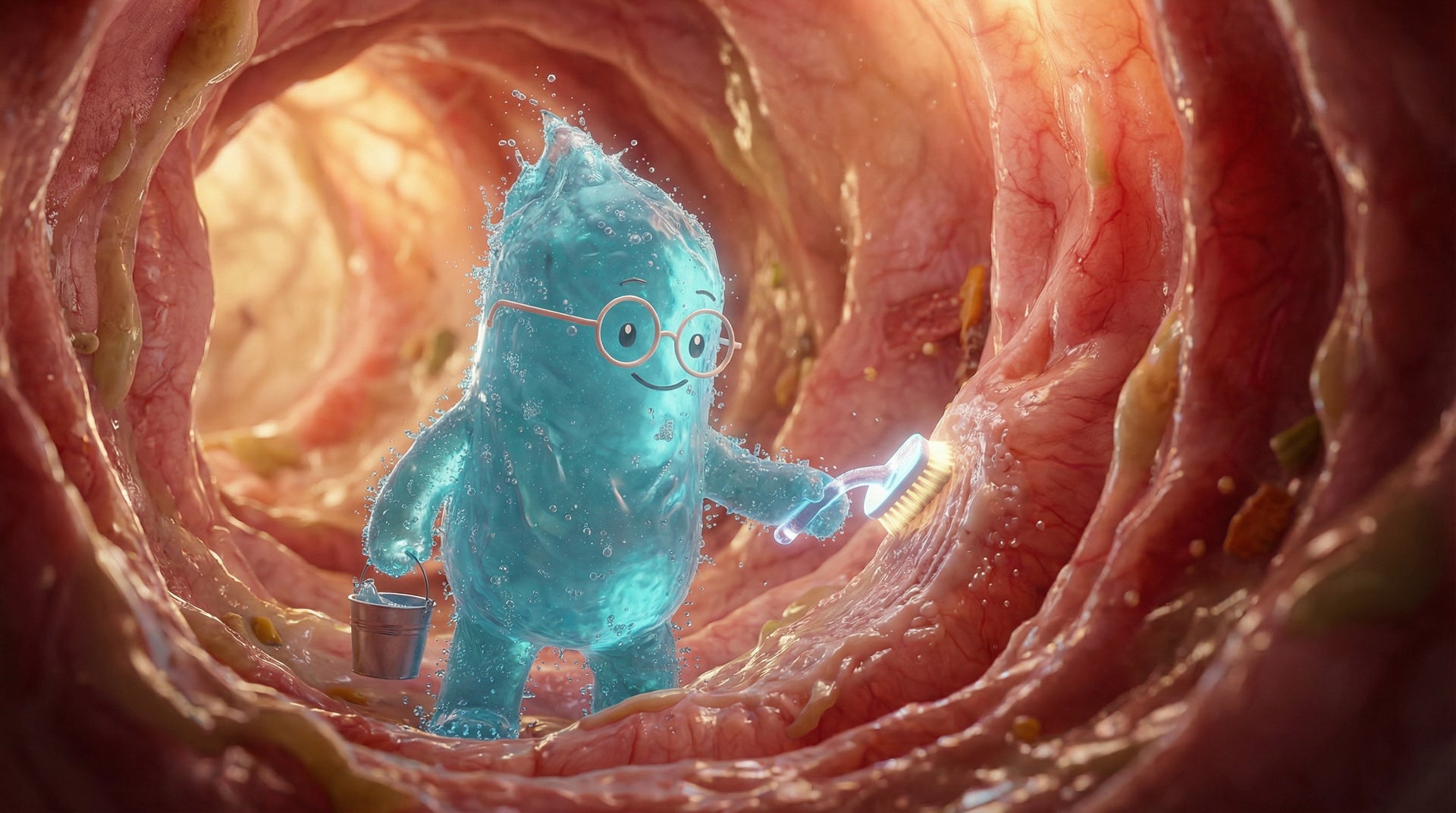
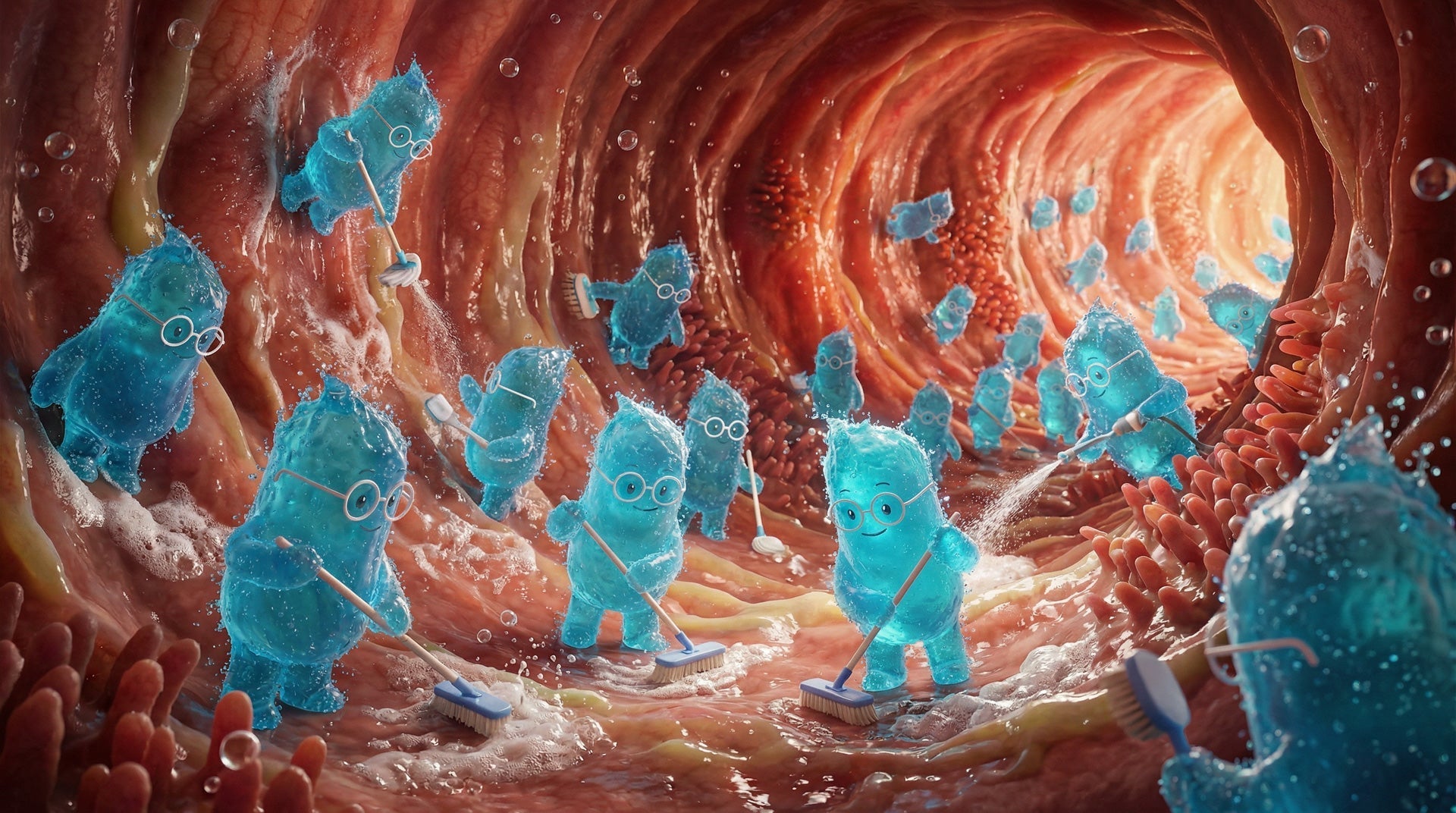
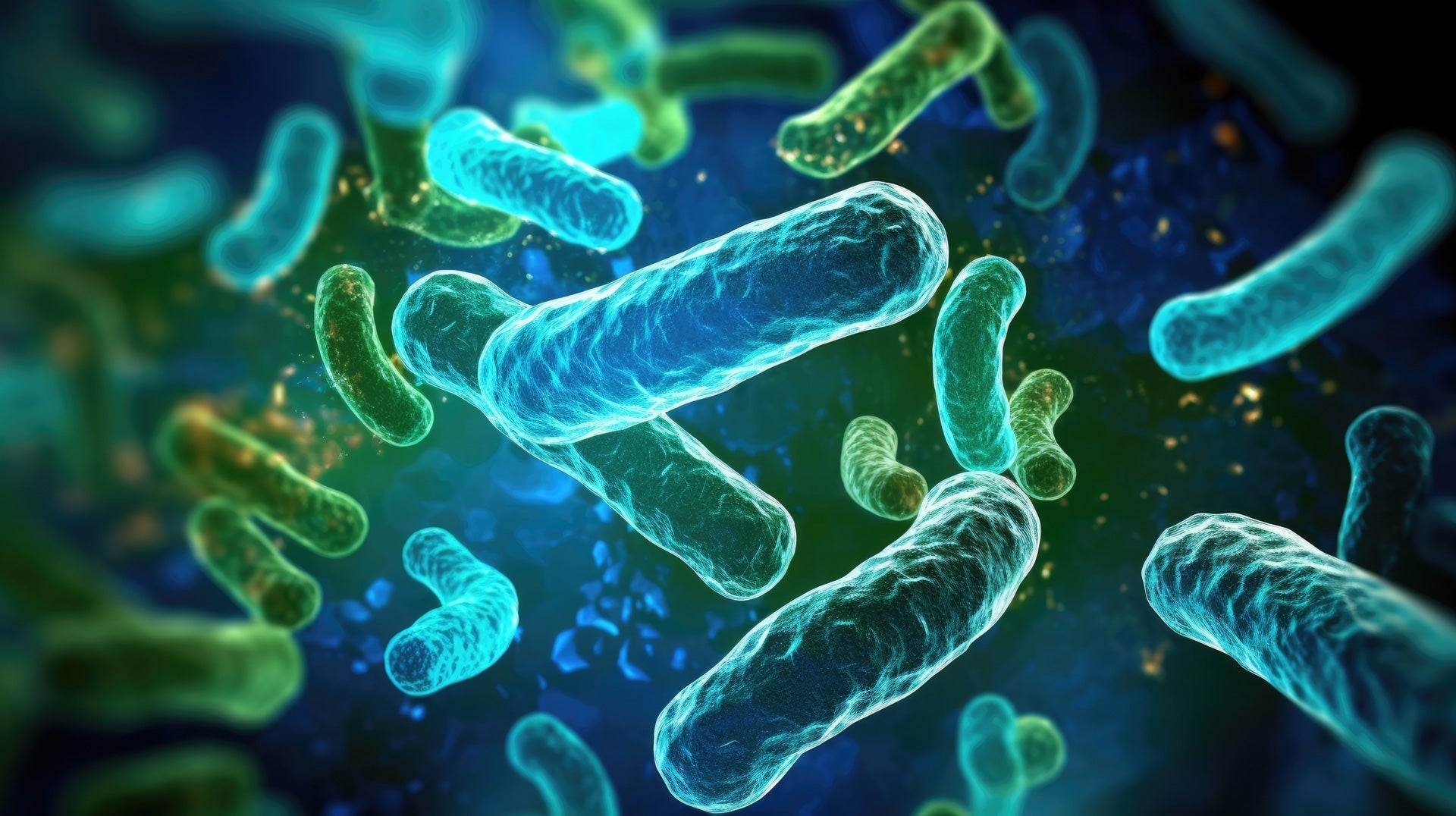
Your dog's gut is much more than a digestive organ. It houses billions of microorganisms that together form the gut microbiome. This complex ecosystem not only influences how well nutrients are absorbed from food, but also how stable the immune system functions and how calmly your dog reacts to external stimuli.
When the microbiome is in balance, the gut works quietly and reliably in the background. However, if this balance is disturbed, for example by stress, diet changes, medication, or infections, it can manifest in various symptoms. Targeted gut restoration aims to provide the gut with stable conditions again, under which beneficial microorganisms can thrive.
When gut restoration can be beneficial
There are life situations where your dog's gut is particularly challenged. After antibiotic treatments, with frequent food changes, or during stressful phases, the balance in the digestive system can react sensitively. Puppies, whose gut flora is still developing, or older dogs, whose digestion often becomes more sensitive, also frequently benefit from conscious support for gut health.
It is important not to view gut restoration as a short-term measure. The gut does not regenerate overnight. Rather, it is a continuous process that requires patience, observation, and an adapted approach.
Typical mistakes in gut restoration – and how to avoid them
1. Too rapid changes
One of the most common mistakes is the desire for quick results. Many dog owners expect digestive problems to be completely resolved within a few days. In practice, however, the gut reacts sensitively to abrupt changes. Too rapid a change in food or the simultaneous use of several new products can further burden the digestive system.
Instead, it makes sense to make changes gradually and give the gut time to adapt to new conditions. Small adjustments are often much better tolerated by your dog's organism than radical changes.
2. Frequent food changes without a concept
A common misconception is to constantly change food when digestive problems occur. While a diet adjustment can be useful if intolerances are present, frequent changes without a clear structure tend to throw the gut out of balance. The digestive system needs time to adjust to new compositions.
A well-thought-out feeding concept tailored to your dog's individual needs offers the gut significantly more stability. Observe how your dog reacts to certain types of food and avoid unnecessary experiments.
3. Too many supplements at once
The market for dietary supplements is large, and the temptation to use several products simultaneously is correspondingly high. However, the simultaneous use of various preparations can overwhelm the gut and make it difficult to determine what actually benefits your dog.
Less is often more here. Targeted, well-coordinated support is more sensible than a jumble of products. Make sure to choose supplements carefully and give your dog enough time to react to them.
4. Only starting gut restoration when problems arise
Many dog owners only address gut health when clear symptoms already appear. However, the gut is a central foundation for your dog's well-being – even in symptom-free everyday life. Conscious support for gut health can help stabilize the internal balance in the long term.
Instead of only reacting to acute situations, it is worthwhile to consider your dog's gut as a long-term companion to its health. Prevention is often more effective here than pure symptom treatment.
5. Underestimating stress as an influencing factor
Stress affects not only behavior but also digestion. Changes in daily routine, new environments, training, or emotional stress can influence the delicate balance in the gut. If this factor is not considered during gut restoration, progress often fails to materialize.
A calm, structured daily routine, sufficient exercise, and opportunities to retreat help to relieve the nervous system – which in turn can have a positive effect on digestion. Gut health and well-being are closely linked.
What supports gut restoration in dogs effectively
Sustainable gut restoration is based on several interconnected factors. High-quality, well-tolerated nutrition forms the foundation. This is not about "perfect" food, but about a composition that suits your dog and does not unnecessarily burden its digestive system.
Furthermore, it can be helpful to offer targeted support to the gut during sensitive phases. Probiotic approaches are often used to support the gut environment and create stable conditions for beneficial microorganisms. The key here is calm, continuous application – not a short-term effect.
Patience as an important part of gut restoration
Building a stable gut flora is a process that takes time. Depending on your dog's initial situation, it can take weeks for changes in well-being to become noticeable. Patience and observation are therefore central components of responsible gut restoration.
Make sure not to evaluate changes in isolation. The digestive system is closely linked to other body systems. Improvements can appear gradually – sometimes initially in small details before they become clearly noticeable.
Gut restoration in everyday life – realistic and practical
Effective gut restoration must fit into everyday life. Elaborate routines are often difficult to implement long-term. The goal should be to establish simple, consistent habits that benefit your dog and remain practical for you.
This can mean creating a consistent feeding structure, consciously managing stressful situations, or calmly and regularly applying supportive measures. Continuity is more important here than perfection.
Conclusion: Gut restoration with moderation
Gut restoration in dogs is not a short-term project, but a long-term process that requires understanding, patience, and a good sense of your dog's needs. Typical mistakes such as overly rapid changes, frequent food changes, or the use of too many supplements can be avoided if you view the gut as a sensitive system that needs time to stabilize.
Those who support their dog's gut with moderation lay an important foundation for well-being, inner balance, and quality of life – not as a quick fix, but as a sustainable path in everyday life.



Split: