

Summary
- Intestinal problems such as soft stools, diarrhea, flatulence, or abdominal noises are common in dogs and often arise from stress, changes in diet, medication, or a disturbed gut microbiome.
- Not every digestive disorder is immediately concerning – many issues are temporary. However, it is important to observe the course carefully and take changes seriously.
- Warning signs such as persistent diarrhea, blood in the stool, vomiting, fever, weight loss, or significant behavioral changes should be investigated by a veterinarian.
- The intestines influence not only digestion but also the immune system, well-being, and overall resilience of the dog. A stable gut flora supports the internal balance of the organism.
- For mild symptoms, rest, consistent feeding, and easily digestible food can help relieve the gut. Patience and observation play an important role in this.
Intestinal problems are among the most common health issues in dogs. Soft stools, diarrhea, flatulence, or a visibly unsettled gastrointestinal tract are not uncommon for many dog owners. Often, such symptoms disappear on their own after a short time – but sometimes they indicate that your dog's system needs support or that a veterinary check-up is advisable. The challenge lies in distinguishing harmless digestive irritations from serious warning signs.
In this article, you will learn about the common intestinal problems in dogs, their possible causes, and how to recognize when a visit to the vet is necessary.
Why Intestinal Problems are So Common in Dogs
Your dog's gut is a sensitive system. It reacts not only to food but also to stress, environmental stimuli, changes in daily routine, and internal processes. The balance in the gut microbiome – i.e., the composition of beneficial microorganisms – plays a central role. If this balance is disturbed, it can quickly manifest as digestive problems.
Dogs also often explore their environment with their mouths, ingest foreign substances, or react sensitively to new types of food. All of this makes the gastrointestinal tract susceptible to irritation.
Common Intestinal Problems in Dogs
Intestinal problems manifest in dogs in many different forms. Not every change is automatically a cause for concern. Nevertheless, it is worth observing carefully.
Soft stools or diarrhea are among the most common symptoms. They can occur temporarily, for example, after a change in diet or with slight intolerance. Flatulence, increased grass eating, abdominal noises, or occasional vomiting can also be signs that your dog's gut is currently out of balance.
Some dogs also appear sluggish, withdraw, or show less appetite. In such cases, the gut is often not solely affected but is part of a larger imbalance in the organism.
Possible Causes of Intestinal Problems
The causes of intestinal problems in dogs are diverse. Often, they are harmless and temporary, but sometimes there is more behind them.
Dietary triggers play a major role. Changes in food, unusual snacks, or low-quality ingredients can irritate the gut. Intolerances or sensitive reactions to certain proteins or additives are also possible.
Stress is another important factor. Changes in daily routine, new environments, separation situations, or intense training phases can directly affect digestion. The gut is in close communication with the nervous system via the gut-brain axis – emotional stress therefore often manifests in the abdomen.
Medications, especially antibiotics, can also temporarily upset the gut microbiome. Furthermore, infections, parasites, or age-related changes can be causes.
When Intestinal Problems Are Harmless – And When They Are Not
Not every digestive disorder is an emergency. Short-term diarrhea or soft stools can occur after a change in diet or during temporary stress and regulate themselves. It is important to observe the course: if the condition improves within one to two days and your dog is otherwise lively, immediate veterinary treatment is usually not necessary.
The situation is different if the symptoms persist, worsen, or are accompanied by other symptoms. If your dog has diarrhea for several days, appears lethargic, refuses food, or shows pain, you should not wait too long.
Warning Signs: When You Should Take Your Dog to the Vet
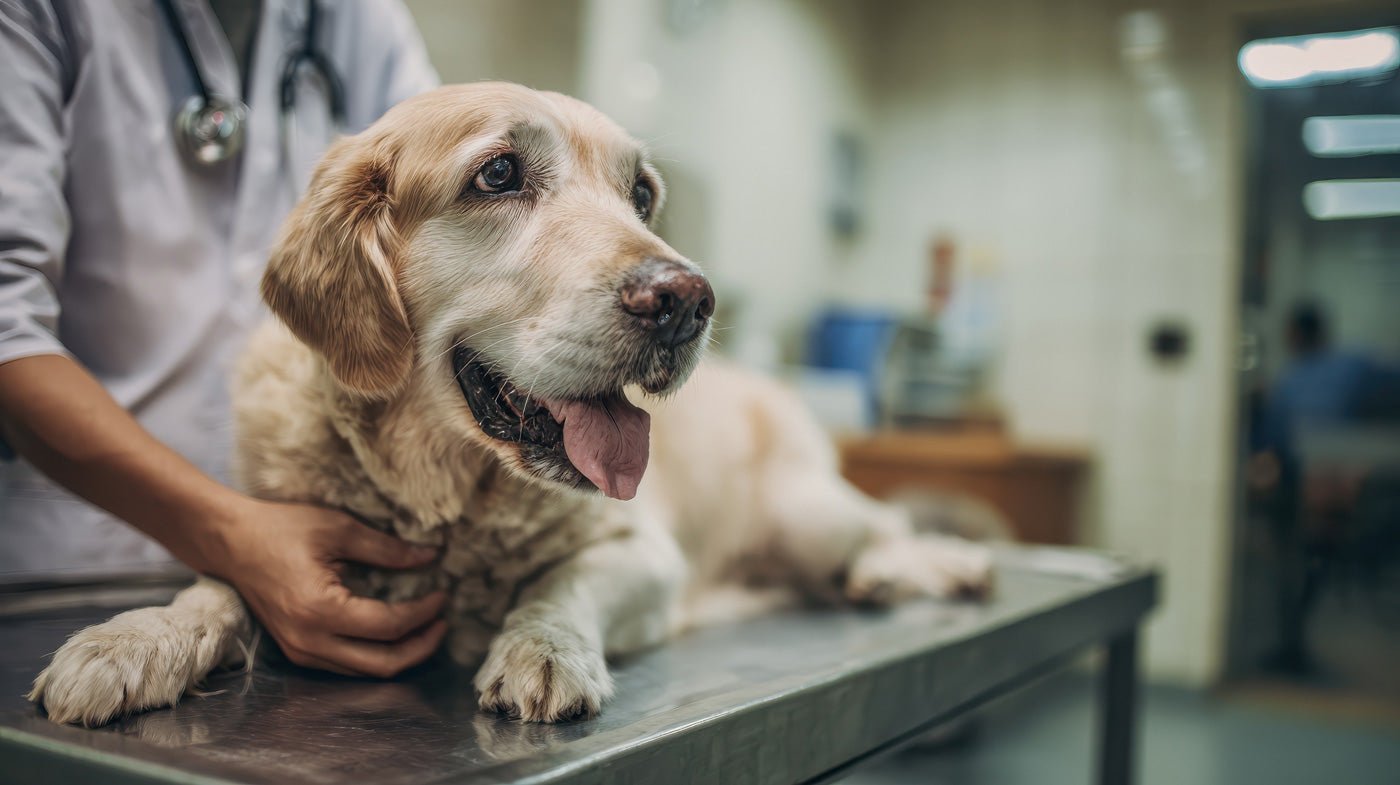
A vet visit is advisable if intestinal problems are not just temporary but appear persistent or worsening. Blood in the stool, significant weight loss, fever, or repeated vomiting are also serious signs that should be investigated.
You should be particularly attentive with puppies, very old dogs, or animals with pre-existing conditions. Their bodies are often less resilient, so even seemingly harmless digestive disorders can quickly lead to problems.
Another warning sign is a significant change in behavior. If your dog appears apathetic, withdraws, or shows pain when its abdomen is touched, it is advisable to seek veterinary advice early.
The Role of the Gut for Overall Health
The gut influences far more than just digestion. It is closely linked to the immune system and general well-being. Recurrent intestinal problems can indicate that the internal balance is disturbed. In such cases, it makes sense not only to consider the acute symptoms but to take a holistic view of gut health.
A stable gut flora helps the organism to better compensate for stressors. Conversely, a chronically disturbed gut can weaken your dog's resilience in the long term.
What You Can Do to Support Your Dog with Mild Intestinal Problems
For mild, temporary symptoms, you can often help your dog with simple measures. A calm environment, consistent feeding times, and easily digestible food can relieve the gut. It is important to avoid hectic changes and give the digestive system time to regenerate.
Observe your dog closely and pay attention to whether its condition stabilizes. Small changes in daily life can often help the gut's balance to re-establish itself.
Why Patience and Observation Are So Important
Intestinal problems rarely arise out of nowhere and rarely disappear immediately. The gut needs time to regulate itself. Patience is therefore an important part of dealing with digestive problems in dogs. At the same time, careful observation is crucial to recognize whether the condition is improving or whether further steps are necessary.
Not every short-term irritation requires immediate medical measures. Nevertheless, if you are unsure, it is better to consult a veterinarian more often than to wait too long.
Conclusion: Take intestinal problems seriously, but don't overemphasize them
Intestinal problems in dogs are common and in many cases harmless. At the same time, they can indicate that your dog's system is out of balance or needs support. It is crucial to distinguish between temporary irritations and serious warning signs.
Those who observe their dog carefully, pay attention to changes in behavior, and seek veterinary advice early in the event of persistent or severe symptoms, create the best basis for responsible care of gut health. In this way, you contribute to maintaining your dog's well-being in the long term.




Split: