Summary

  • Probiotics are live microorganisms that support the natural balance of the intestinal flora and can thus contribute to the stability of the gut environment in dogs.
  • A stable gut flora plays an important role in a dog's digestion, immune system, internal balance, and overall well-being.
  • Probiotics do not act as a short-term medication, but rather support the natural processes in the gut long-term and create favorable conditions for beneficial microorganisms.
  • Especially in sensitive phases such as diet changes, stressful situations, or after medication, supportive gut health can be beneficial.
  • High-quality probiotics are characterized by transparent ingredients, clearly declared bacterial strains, and continuous, well-tolerated use.

Probiotics for dogs are no longer a niche topic. More and more dog owners are consciously addressing their furry friend's gut health and wondering how they can best support it. At the same time, the multitude of terms, products, and promises creates uncertainty. What exactly are probiotics? How do they work in a dog's body? And when can their use be beneficial? In this article, we explain probiotics for dogs in an understandable, well-founded, and practical way.

What exactly are probiotics?

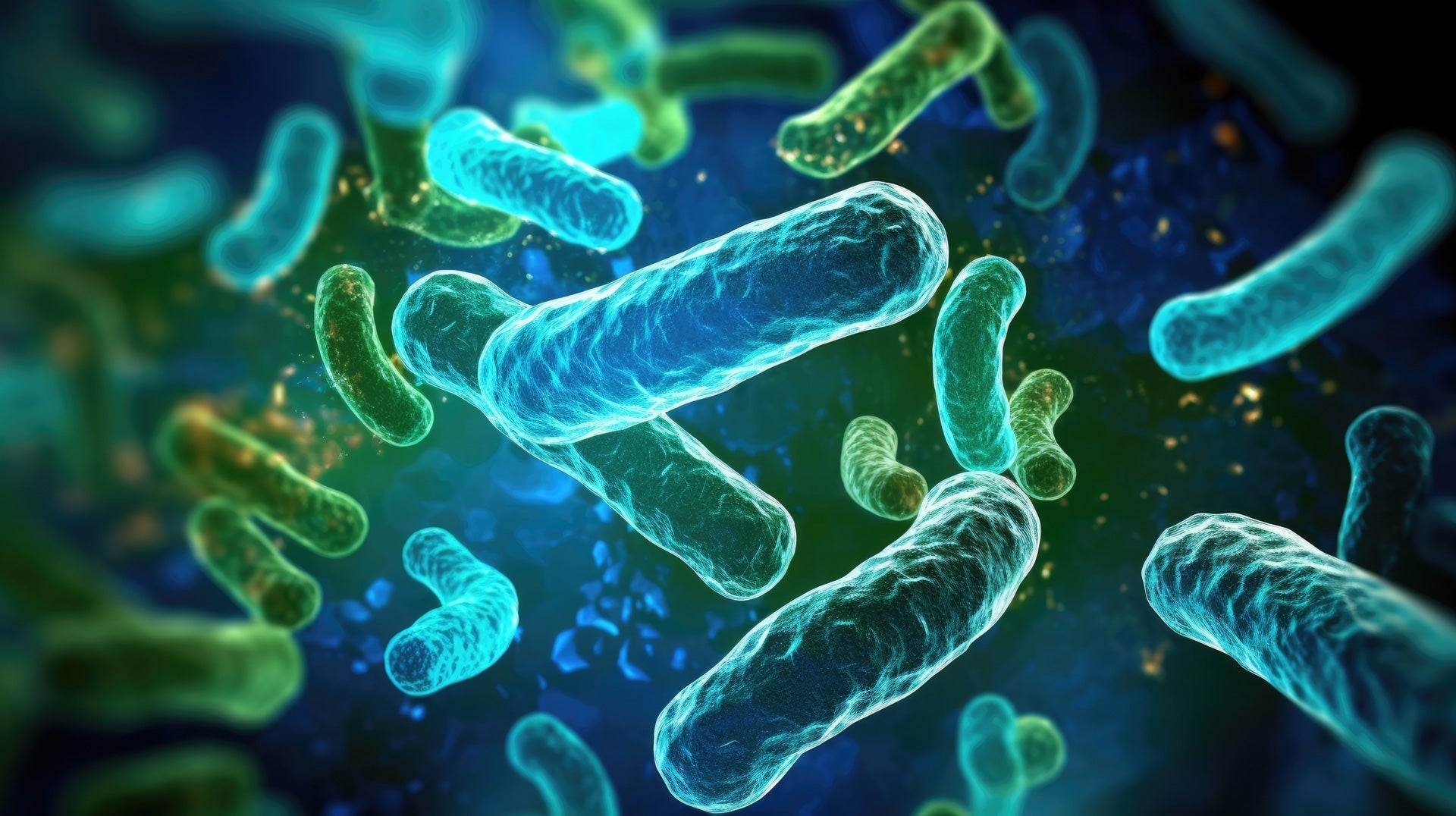
Probiotics are live microorganisms, usually specific bacterial strains, that can have a positive influence on the gut environment when consumed in sufficient amounts. They are not a substitute for food but complement the daily diet. The goal is to support the balance of the natural gut flora and promote stable conditions for beneficial bacteria in the gut.

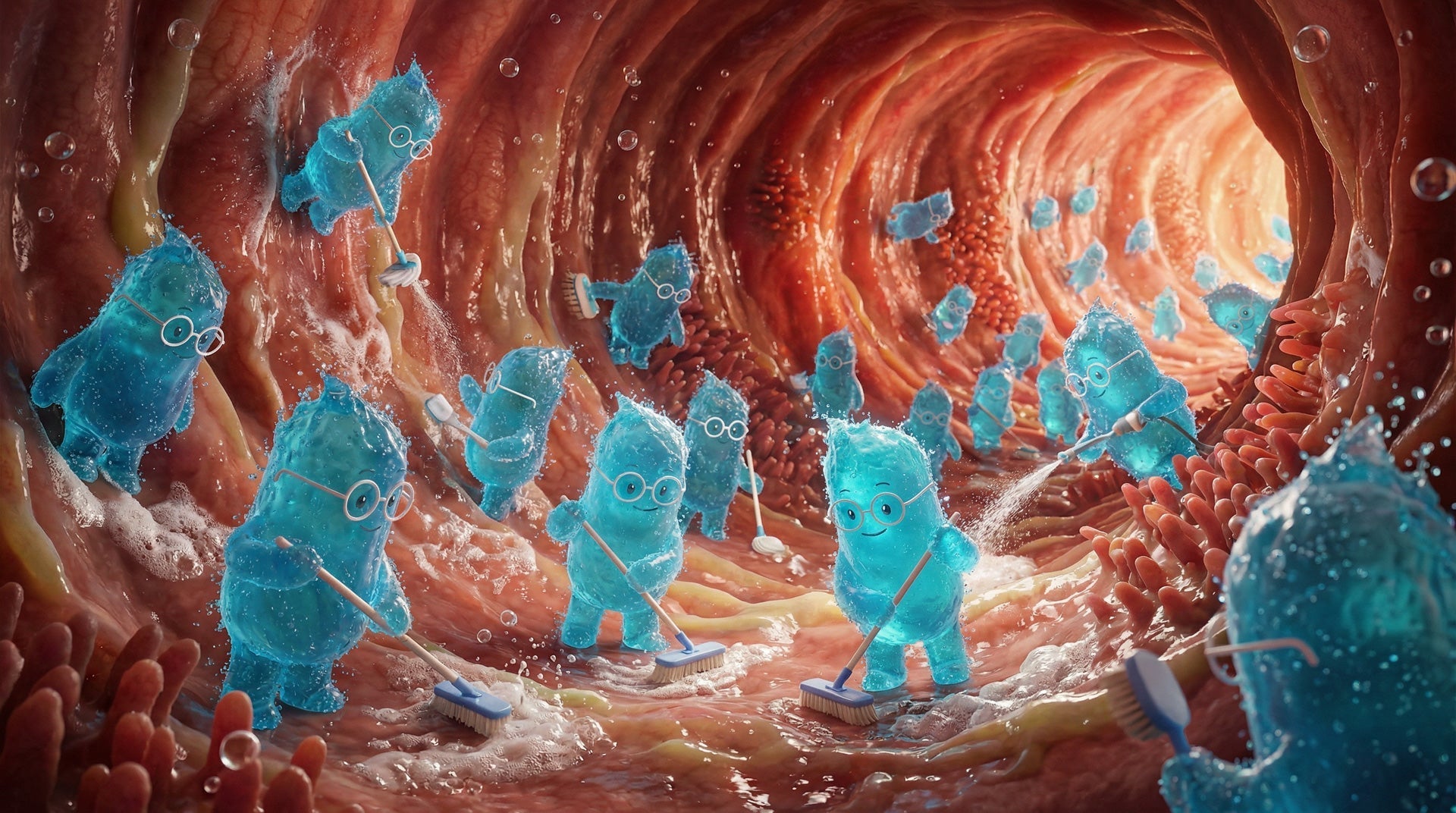
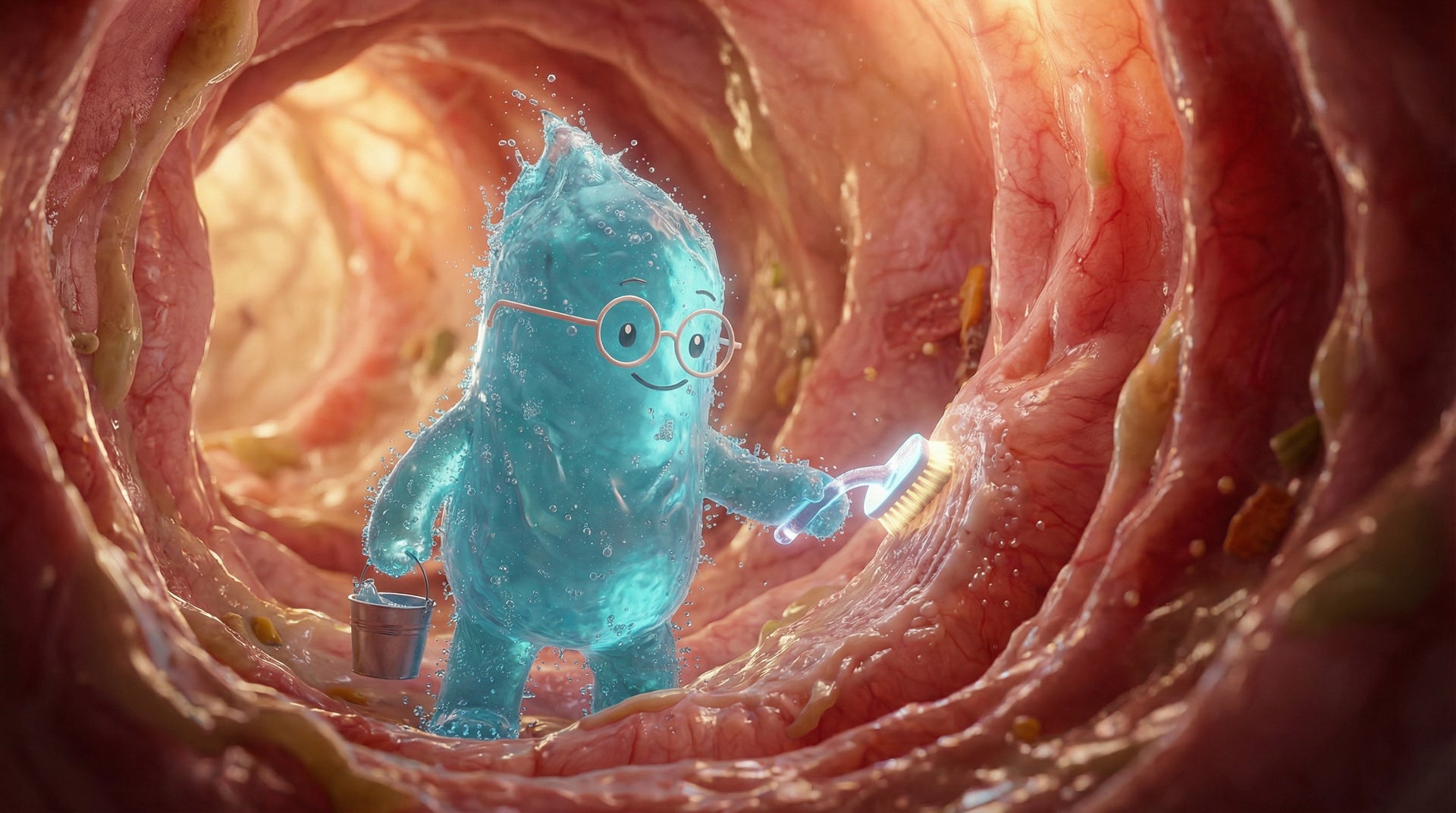
Billions of microorganisms live in your dog's gut in a finely tuned interplay. If this balance is disturbed, it can affect digestion, the immune system, and overall well-being. Probiotics precisely address this by supporting the gut environment.

Why gut flora is so important for dogs

Your dog's gut performs far more tasks than just digestion. It is a central organ for nutrient absorption, immune defense, and internal balance. A large part of the immune system is located in the gut. In addition, the gut is in close exchange with the nervous system via the so-called gut-brain axis.

A stable gut flora helps your dog's body better cope with stressors. If this system gets out of balance, changes in digestion, behavior, or general well-being can occur. Probiotics can help create favorable conditions for this sensitive balance.

How do probiotics work in a dog's body?

Probiotics do not act like a medication with an immediate effect. Rather, they support the natural processes in the gut. The microorganisms supplied can help stabilize the gut environment by interacting with the existing bacteria. The goal is to create conditions under which beneficial gut bacteria can reliably perform their tasks.

It's less about "replacing" the existing gut flora and more about supporting the natural balance. The effect unfolds gradually and is designed for long-term support.

When probiotics can be beneficial for dogs

There are various life situations in which your dog's gut is particularly challenged. After diet changes, during stressful periods, or following medicinal treatments, the balance in the digestive system can react sensitively. Also, for puppies whose gut flora is still developing, or for older dogs whose digestion often becomes more sensitive, supportive measures can be beneficial.

It is important not to view probiotics as a short-term solution, but as part of a holistic approach to supporting gut health.

Not all probiotics are created equal

The term "probiotics" encompasses a variety of different bacterial strains. Not every strain works the same way, and not every product is structured identically. Quality, composition, and stability play a decisive role in the practicality and tolerability of a product.

High-quality probiotics are characterized by a clear declaration of the strains contained, transparent manufacturing processes, and good tolerability. Reputable providers openly communicate how their products were developed and what they are intended for.

Typical misconceptions about probiotics for dogs

A common misconception is the expectation of rapid effects. Probiotics generally do not exert their supportive effect overnight. The gut needs time to adapt to new conditions. Patience is therefore an important part of their application.

Another misconception is to view probiotics as a substitute for a balanced diet. They can be a valuable supplement but do not replace high-quality feeding or a conscious approach to stress factors in your dog's daily life.

Probiotics in everyday life: What dog owners should consider

When using probiotics, consistency is crucial. Irregular administration or frequent product changes can irritate the digestive system rather than support it. A steady, calm approach is generally better tolerated.

Observe your dog carefully. Every organism reacts individually. Changes in behavior, digestion, or general well-being can provide clues as to how your dog is responding to the support.

Probiotics and Prevention

Probiotics are not only used when digestive problems already exist. Many dog owners also use them preventively to support gut health long-term. The goal is to create stable conditions before major imbalances arise.

This preventive approach aligns well with a holistic understanding of dog health, where not only symptoms are treated, but fundamental functions are supported.

Conclusion: Probiotics for Dogs – a Conscious Supplement

Probiotics for dogs are not miracle cures, but they can be a valuable supplement within a conscious approach to gut health. They support the natural balance in the digestive system, promote internal balance, and contribute to strengthening the body's resilience.

Those who use probiotics with realistic expectations, patience, and a holistic view of their dog's needs lay a solid foundation for long-term well-being.

Disclaimer

The content of this blog is intended solely for general information about nutritional, microbiome-oriented and scientific relationships in the field of animal nutrition and animal welfare. All content has been researched with the greatest possible care and created to the best of our knowledge. Nevertheless, we do not guarantee the completeness, topicality, scientific accuracy or constant availability of the information provided.

The content published on this website expressly does not constitute veterinary advice, diagnosis, treatment or therapy recommendations. In particular, the content does not replace individual examination or consultation by a veterinarian or another appropriately qualified specialist. No promises of healing, guarantees of efficacy or assurances regarding specific health successes are explicitly made. Statements about ingredients, microorganisms, nutritional properties or general scientific findings are solely for general information and classification of current research topics.

The described correlations are partly based on publicly accessible sources, scientific publications, specialist articles, manufacturer information and internet-based research. In addition, AI-supported systems may be used to structure, prepare and summarize information. Despite careful checking, it cannot be ruled out that individual content may be incomplete, abbreviated, misleading or outdated in the meantime.

All information must therefore be evaluated and used by the reader at their own responsibility. Decisions regarding nutrition, supplementary feeds or other measures should always be made individually and with consideration of the respective animal. In the event of health abnormalities, persistent complaints or uncertainties, veterinary advice should always be sought.

The content of this blog is expressly not intended to:

  • detect, treat, cure or prevent diseases,
  • replace veterinary therapies,
  • suggest drug effects,
  • provide a guarantee of success for certain measures or products.

All mentioned brands, product names or scientific terms are for neutral information and description of general correlations only. The use of the content is at your own risk. Liability for direct or indirect damages of a material or immaterial nature arising from the use or non-use of the information provided is – to the extent legally permissible – excluded.

Latest posts

Bacillus subtilis MM40: Wie ein Bodenbakterium zum Fokus moderner Mikrobiomforschung wurde
  • by Marco Fütterer

Bacillus subtilis MM40: How a soil bacterium became the focus of modern microbiome research

Research into gut flora, the microbiome, and probiotic microorganisms has become enormously important in recent years. While bacteria were formerly almost exclusively associated with infections and diseases, modern science now views microorganisms in a much more nuanced way.

Read moreabout Bacillus subtilis MM40: How a soil bacterium became the focus of modern microbiome research

Was ist die 3-3-3-Regel für Hunde?
  • by Marco Fütterer

What is the 3-3-3 rule for dogs?

The so-called 3-3-3 rule for dogs is often discussed. This rule serves as a guide for dog owners and describes typical phases of a dog's acclimatization during the first days, weeks, and months.

Read moreabout What is the 3-3-3 rule for dogs?

Was ist Bacillus velezensis - und worin liegt der Unterschied zu Bacillus subtilis?
  • by Marco Fütterer

What is *Bacillus velezensis* – and how does it differ from *Bacillus subtilis*?

The importance of a healthy gut flora and a balanced microbiome is gaining increasing attention in both human and animal nutrition. Probiotic microorganisms, in particular, are at the forefront of modern feeding and nutrition concepts. In addition to well-known probiotic cultures such as lactic acid bacteria, spore-forming Bacillus strains are also being used more and more frequently today. Two names appear particularly often in this context: Bacillus subtilis and Bacillus velezensis.

Read moreabout What is *Bacillus velezensis* – and how does it differ from *Bacillus subtilis*?

Bacillus subtilis beim Hund: Besonderheiten und Vorteile
  • by Marco Fütterer

Bacillus subtilis in Dogs: Specifics and Benefits

Gut health plays a central role in the overall well-being of dogs. In recent years, awareness of this has significantly increased among both dog owners and in the field of modern animal nutrition. In addition to a balanced diet, microbiome-oriented approaches and probiotic concepts are increasingly coming into focus.

Read moreabout Bacillus subtilis in Dogs: Specifics and Benefits

Probiotika für Hunde – einfach erklärt
  • by Marco Fütterer

Probiotics for dogs – simply explained

What are probiotics for dogs and how do they actually work? In our blog post, we explain in simple terms how probiotic microorganisms can support gut health and what you should pay attention to when choosing and using them.

Read moreabout Probiotics for dogs – simply explained

Darmaufbau beim Hund – typische Fehler vermeiden
  • by Marco Fütterer

Gut health in dogs – avoid typical mistakes

The gut is the foundation for your dog's health – but well-intentioned mistakes are often made when it comes to building a healthy gut. In our article, you'll learn what really matters, which typical pitfalls to avoid, and how you can support your dog's gut health in a practical and sustainable way on a daily basis.

Read moreabout Gut health in dogs – avoid typical mistakes

Warum die Darmgesundheit beim Hund der Schlüssel zum Wohlbefinden ist
  • by Marco Fütterer

Why gut health is key to well-being in dogs

Many crucial processes for your dog's health take place in the gut. Learn in our article why gut health is the key to well-being, resilience, and inner balance.

Read moreabout Why gut health is key to well-being in dogs

Darmprobleme beim Hund – wann zum Tierarzt?
  • by Marco Fütterer

Intestinal problems in dogs – when to see a vet?

Intestinal problems in dogs are not uncommon – but not every digestive upset is an emergency. In our article, you'll learn which signs might be harmless, which warning signs you should take seriously, and when a visit to the vet is advisable.

Read moreabout Intestinal problems in dogs – when to see a vet?

Wie erkenne ich hochwertige Produkte für meinen Hund?
  • by Marco Fütterer

How can I identify high-quality products for my dog?

How can you recognize truly high-quality dog ​​products? In our article, you'll learn which quality features count, how to correctly assess marketing claims, and what to look out for regarding ingredients, manufacturing, and transparency.

Read moreabout How can I identify high-quality products for my dog?