Summary

  • Bacillus subtilis is a spore-forming microorganism that, due to its high stability, is particularly well-suited to nutritionally support the intestinal environment of dogs.
  • The intestine not only influences digestion, but also the dog's well-being, inner balance, and natural immune functions. A balanced gut microbiome plays a central role in this.
  • Bacillus subtilis can help promote stable conditions for beneficial microorganisms in the gut and support the natural balance in the digestive tract long-term.
  • Especially during sensitive life phases such as diet changes, growth periods, or age-related changes, conscious support of gut health can be beneficial.
  • Sustainable support of gut health is based on continuity, high-quality nutrition, a stable environment, and a holistic view of the dog's well-being.

Gut health plays a central role in the overall well-being of dogs. In recent years, awareness of this has significantly increased among dog owners and in the field of modern animal nutrition. In addition to a balanced diet, microbiome-oriented approaches and probiotic concepts are increasingly coming into focus. Bacillus subtilis is a particularly intensively studied microorganism. But what makes this probiotic bacterial strain so interesting, and why is it gaining increasing importance in dog nutrition?

The Gut as the Foundation for Well-being and Inner Balance

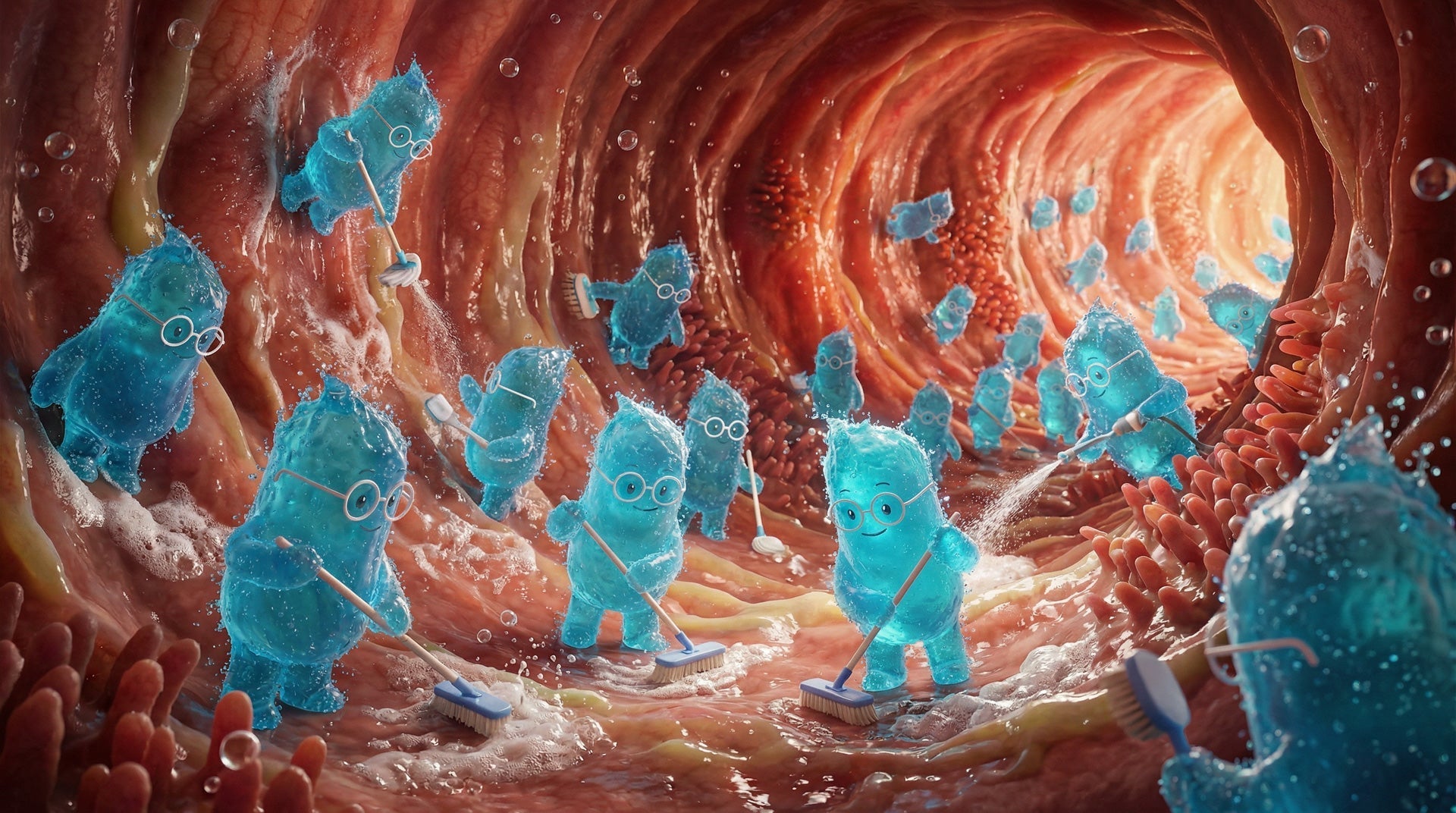
The gut fulfills far more tasks than just digestion. It is a complex system where digestion, metabolism, and natural defense functions are closely intertwined. At the same time, the digestive tract is in constant communication with the nervous system via the so-called gut-brain axis. Changes in the intestinal environment can therefore affect not only digestion but also vitality, balance, and general well-being.

A balanced gut microbiome forms the basis for efficient nutrient utilization and for the organism to better cope with daily stresses. If this delicate balance is disturbed, it can manifest as changes in digestion, well-being, or general resilience.

What is Bacillus subtilis?

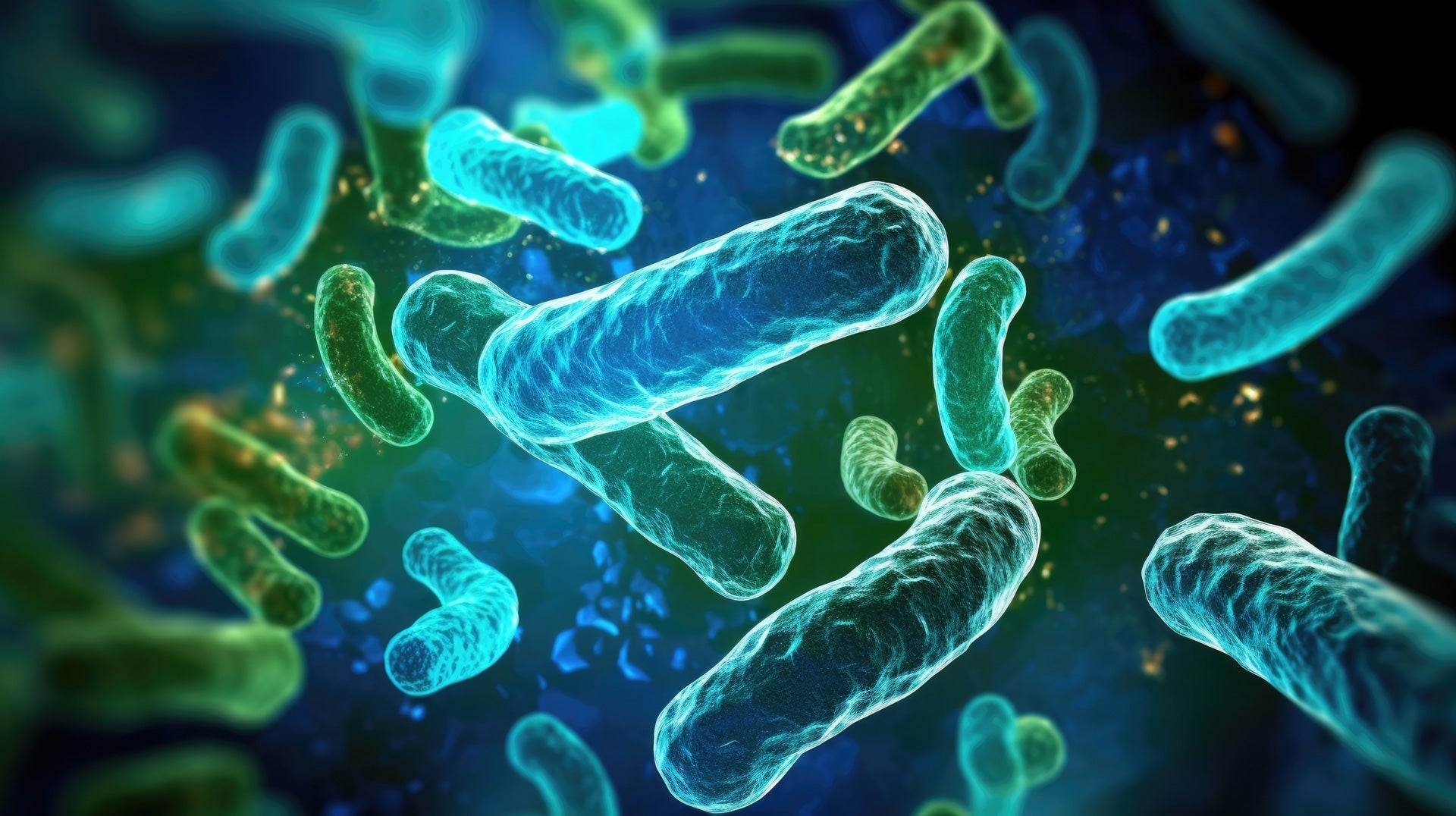
Bacillus subtilis is a naturally occurring, spore-forming microorganism that has been scientifically studied for many years. A special characteristic of this bacterial strain is its ability to form resistant endospores. These protect it from external influences such as heat, humidity, or the acidic environment of the stomach.

As a result, Bacillus subtilis reaches the intestine in a stable form and can develop its nutritional properties there. This stability makes it particularly interesting for modern dietary supplements and functional nutrition concepts for dogs.

How Bacillus subtilis can support the intestinal environment

Bacillus subtilis does not act as a short-term intervention, but rather supports the natural processes in the digestive tract. After ingestion, the microorganism reaches the intestine and can help maintain a stable intestinal environment. The goal is to promote conditions under which beneficial microorganisms can reliably perform their natural functions.

The aim is not to replace the existing gut flora, but to support the natural balance in the microbiome. Support is provided gradually and is designed for long-term use.

Special features of Bacillus subtilis

A key difference from many other probiotic cultures lies in the high stability of Bacillus subtilis. While more sensitive microorganisms can react to external influences, Bacillus subtilis remains particularly resistant due to its spore structure. This makes it suitable for everyday use and well-suited for regular application.

Furthermore, Bacillus subtilis has been scientifically investigated for decades in various fields. This broad research base helps to better understand its significance within modern microbiome-oriented nutrition concepts.

Potential benefits for dogs

Conscious support of the intestinal environment can affect various areas of well-being. A balanced gut microbiome helps ensure that nutrients are utilized efficiently and that the organism as a whole can react more stably to everyday stresses. Many dog owners therefore pay particular attention to their dog's gut health, especially during sensitive life stages.

Bacillus subtilis fits into this holistic approach by supporting the natural conditions for a stable gut environment.

Support in sensitive life phases

There are various situations in which the digestive tract can be particularly challenged. These include, for example, changes in diet, changes in daily routine, growth phases in young dogs, or age-related changes in seniors. In such phases, conscious support of gut health can be beneficial.

Due to its stability and suitability for everyday use, Bacillus subtilis can be easily integrated into various feeding concepts.

Continuity and patience as important components

Supporting the intestinal environment should generally be understood as a long-term process. Changes in the digestive system develop gradually and require time. Continuity, patience, and realistic expectations therefore play an important role.

It makes sense to view the support of gut health not as a short-term measure, but as part of a sustainable and conscious approach to the dog's well-being.

Bacillus subtilis as part of a holistic nutritional concept

Bacillus subtilis can be a valuable addition to a holistic nutritional concept. It does not replace a balanced diet or a careful approach to living conditions and daily influences. Rather, it complements an overall concept aimed at long-term stability, balance, and well-being.

Conscious feeding, regular exercise, mental stimulation, and a stable environment form the basis. Support of the intestinal environment can meaningfully accompany this approach.

Quality and responsible handling

As with all supplements, quality and transparency play an important role in probiotic products. High-quality products are characterized by clear declarations, comprehensible manufacturing processes, and responsible communication.

Conclusion

Bacillus subtilis has established itself as a spore-forming microorganism that, due to its stability and scientific research, plays an interesting role within modern nutritional concepts for dogs. The focus is on supporting a balanced intestinal environment, accompanying natural digestive processes, and promoting inner balance and general well-being.


Disclaimer

The content of this blog is intended solely for general information about nutritional, microbiome-oriented and scientific relationships in the field of animal nutrition and animal welfare. All content has been researched with the greatest possible care and created to the best of our knowledge. Nevertheless, we do not guarantee the completeness, topicality, scientific accuracy or constant availability of the information provided.

The content published on this website expressly does not constitute veterinary advice, diagnosis, treatment or therapy recommendations. In particular, the content does not replace individual examination or consultation by a veterinarian or another appropriately qualified specialist. No promises of healing, guarantees of efficacy or assurances regarding specific health successes are explicitly made. Statements about ingredients, microorganisms, nutritional properties or general scientific findings are solely for general information and classification of current research topics.

The described correlations are partly based on publicly accessible sources, scientific publications, specialist articles, manufacturer information and internet-based research. In addition, AI-supported systems may be used to structure, prepare and summarize information. Despite careful checking, it cannot be ruled out that individual content may be incomplete, abbreviated, misleading or outdated in the meantime.

All information must therefore be evaluated and used by the reader at their own responsibility. Decisions regarding nutrition, supplementary feeds or other measures should always be made individually and with consideration of the respective animal. In the event of health abnormalities, persistent complaints or uncertainties, veterinary advice should always be sought.

The content of this blog is expressly not intended to:

  • detect, treat, cure or prevent diseases,
  • replace veterinary therapies,
  • suggest drug effects,
  • provide a guarantee of success for certain measures or products.

All mentioned brands, product names or scientific terms are for neutral information and description of general correlations only. The use of the content is at your own risk. Liability for direct or indirect damages of a material or immaterial nature arising from the use or non-use of the information provided is – to the extent legally permissible – excluded.

Latest posts

Bacillus subtilis MM40: Wie ein Bodenbakterium zum Fokus moderner Mikrobiomforschung wurde
  • by Marco Fütterer

Bacillus subtilis MM40: How a soil bacterium became the focus of modern microbiome research

Research into gut flora, the microbiome, and probiotic microorganisms has become enormously important in recent years. While bacteria were formerly almost exclusively associated with infections and diseases, modern science now views microorganisms in a much more nuanced way.

Read moreabout Bacillus subtilis MM40: How a soil bacterium became the focus of modern microbiome research

Was ist die 3-3-3-Regel für Hunde?
  • by Marco Fütterer

What is the 3-3-3 rule for dogs?

The so-called 3-3-3 rule for dogs is often discussed. This rule serves as a guide for dog owners and describes typical phases of a dog's acclimatization during the first days, weeks, and months.

Read moreabout What is the 3-3-3 rule for dogs?

Was ist Bacillus velezensis - und worin liegt der Unterschied zu Bacillus subtilis?
  • by Marco Fütterer

What is *Bacillus velezensis* – and how does it differ from *Bacillus subtilis*?

The importance of a healthy gut flora and a balanced microbiome is gaining increasing attention in both human and animal nutrition. Probiotic microorganisms, in particular, are at the forefront of modern feeding and nutrition concepts. In addition to well-known probiotic cultures such as lactic acid bacteria, spore-forming Bacillus strains are also being used more and more frequently today. Two names appear particularly often in this context: Bacillus subtilis and Bacillus velezensis.

Read moreabout What is *Bacillus velezensis* – and how does it differ from *Bacillus subtilis*?

Bacillus subtilis beim Hund: Besonderheiten und Vorteile
  • by Marco Fütterer

Bacillus subtilis in Dogs: Specifics and Benefits

Gut health plays a central role in the overall well-being of dogs. In recent years, awareness of this has significantly increased among both dog owners and in the field of modern animal nutrition. In addition to a balanced diet, microbiome-oriented approaches and probiotic concepts are increasingly coming into focus.

Read moreabout Bacillus subtilis in Dogs: Specifics and Benefits

Probiotika für Hunde – einfach erklärt
  • by Marco Fütterer

Probiotics for dogs – simply explained

What are probiotics for dogs and how do they actually work? In our blog post, we explain in simple terms how probiotic microorganisms can support gut health and what you should pay attention to when choosing and using them.

Read moreabout Probiotics for dogs – simply explained

Darmaufbau beim Hund – typische Fehler vermeiden
  • by Marco Fütterer

Gut health in dogs – avoid typical mistakes

The gut is the foundation for your dog's health – but well-intentioned mistakes are often made when it comes to building a healthy gut. In our article, you'll learn what really matters, which typical pitfalls to avoid, and how you can support your dog's gut health in a practical and sustainable way on a daily basis.

Read moreabout Gut health in dogs – avoid typical mistakes

Warum die Darmgesundheit beim Hund der Schlüssel zum Wohlbefinden ist
  • by Marco Fütterer

Why gut health is key to well-being in dogs

Many crucial processes for your dog's health take place in the gut. Learn in our article why gut health is the key to well-being, resilience, and inner balance.

Read moreabout Why gut health is key to well-being in dogs

Darmprobleme beim Hund – wann zum Tierarzt?
  • by Marco Fütterer

Intestinal problems in dogs – when to see a vet?

Intestinal problems in dogs are not uncommon – but not every digestive upset is an emergency. In our article, you'll learn which signs might be harmless, which warning signs you should take seriously, and when a visit to the vet is advisable.

Read moreabout Intestinal problems in dogs – when to see a vet?

Wie erkenne ich hochwertige Produkte für meinen Hund?
  • by Marco Fütterer

How can I identify high-quality products for my dog?

How can you recognize truly high-quality dog ​​products? In our article, you'll learn which quality features count, how to correctly assess marketing claims, and what to look out for regarding ingredients, manufacturing, and transparency.

Read moreabout How can I identify high-quality products for my dog?